Where the API Stops
I once mapped the civil war between human interfaces and machine-native ones at the scale of companies. Then I fought both sides of it in a single afternoon, in a single pipeline — and a human had to close the seam.
The practical companion to 'What 223 Sessions Taught Me.' How to set up CLAUDE.md files, the memory system, custom skills, project-scoped conversations, and the infrastructure that makes AI-assisted development actually sustainable.
I pulled 30 days of Claude Code session data — 223 sessions, 38,000+ prompts, 32 projects, 1.2 GB of conversation. The numbers tell a story about what AI-native development actually looks like when nobody's watching.
I built a Constitutional AI Governance Framework. Thirteen articles. HMAC attestations. Democratic amendment processes. Every validation function returned hardcoded perfection. The governance thinking was real. The code was theater. Here's what survived the extraction.
I asked Gemini to tear apart my own thesis. Some of the hits landed. Here's what I'm keeping, what I'm revising, and what I hadn't considered.
Every major infrastructure technology goes through a phase where we carefully ration usage. AI is there now. The question is which of today's anxieties are transitional—and which become permanent disciplines.
I had a 46-citation research paper about autonomous documentation. Academic frameworks rarely survive contact with a real codebase. So I asked an agent to turn theory into working code—and watched what happened.
The problem with AI coding assistants isn't capability—it's coordination. A single agent can write code. But who checks the work? Who remembers what was decided? I built a system where specialists implement and verifiers catch drift.
From wide-eyed optimism to 'the AI is gaslighting me with kindness.' A field guide to the emotional journey every AI adopter takes—and the sycophancy trap waiting at every stage.
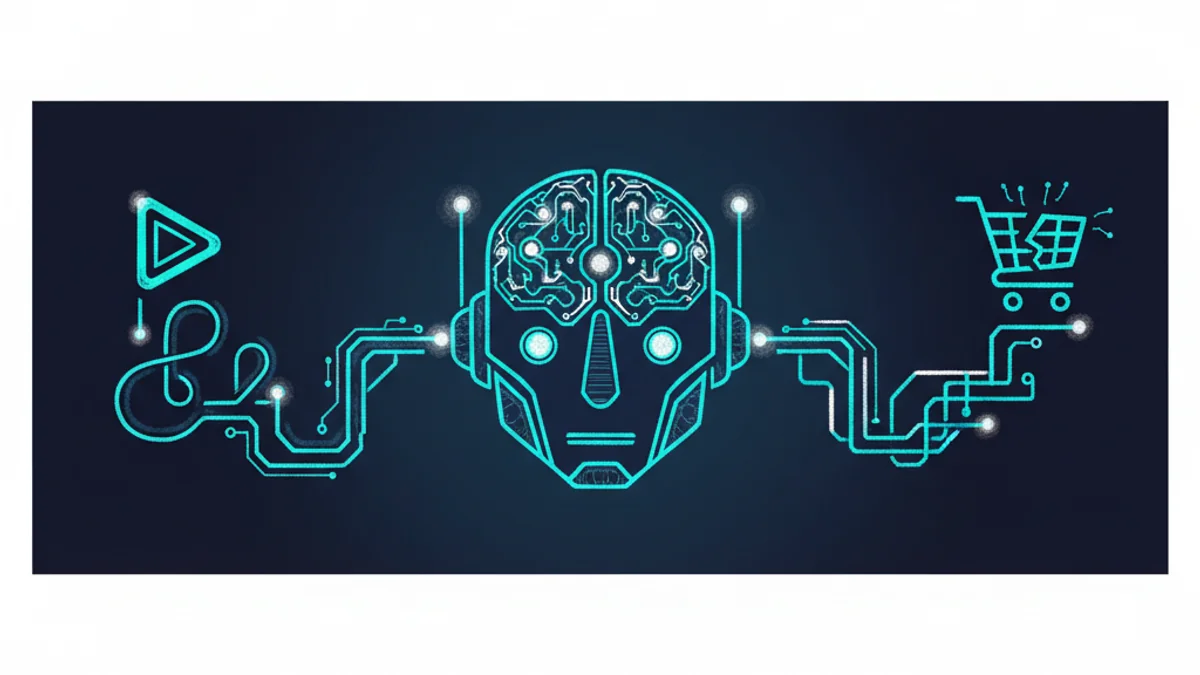
Spotify knows what song you want to hear next. Netflix queues up your next binge. But your favorite retailer? Still making you filter by Men > Shirts > Size L. After 15 years of personalization promises, why doesn't shopping work like streaming?
I'm not observing from the sidelines. I'm running these experiments in real time. Here's what's actually happening—and what I'm doing about it.
If both bubble and build-out are real, what do you actually do? Here's what I'm seeing work—and what's failing—across different roles.
I've spent months arguing AI isn't a bubble—it's infrastructure. Then smart money started betting against it. Both can be true. Here's what I'm figuring out.
I built a $2.5M platform in 80 hours using GenAI tools. Heres what the numbers actually say about productivity, cost, and what happens when you stop pretending software takes as long as it used to.
Blog posts claim LLMs struggle with Svelte 5.' Our evidence? Two production apps, 69 components, and Agent-OS v3.0.0 optimized for Svelte. The data doesn't match the narrative.
My feed is saturated with agentic software.' The promise is magic: autonomous agents executing complex, multi-step plans. But let's cut the hype. This isn't magic.