AI & Automation Aug 13, 2026 · 1 min read
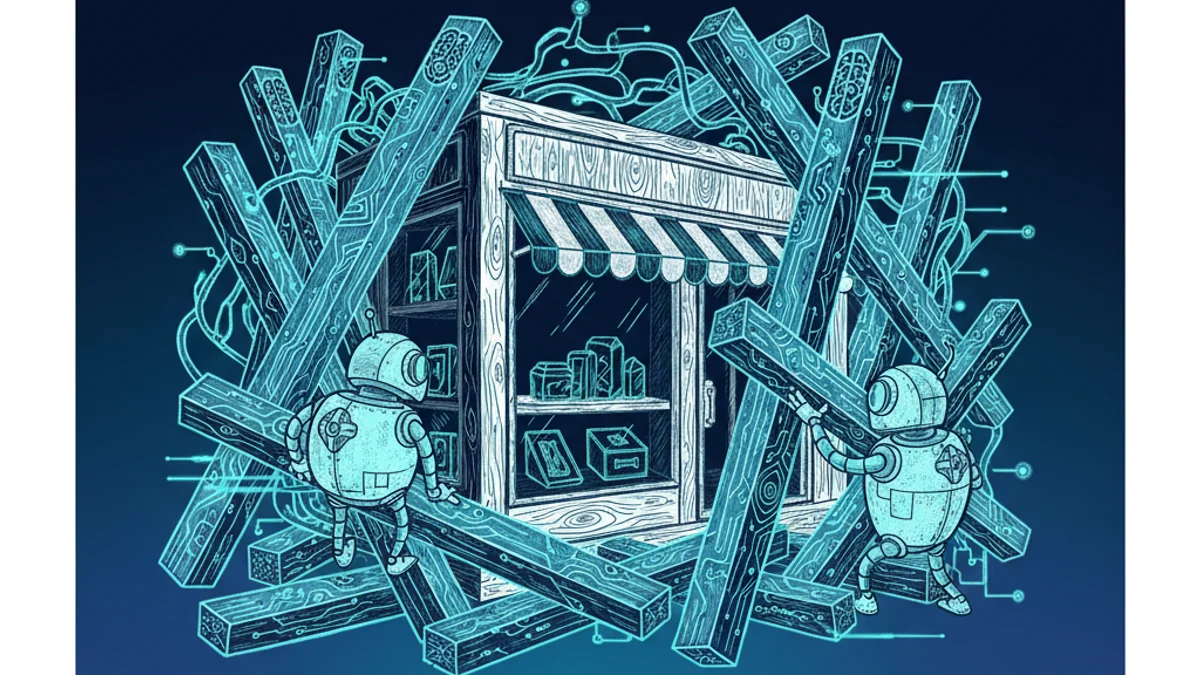
The Guardrail Removed the Storefront
A safe AI storefront cannot give the model a blank canvas. It also cannot remove the model and still claim that inference changes the shopping experience.
Read post
A safe AI storefront cannot give the model a blank canvas. It also cannot remove the model and still claim that inference changes the shopping experience.
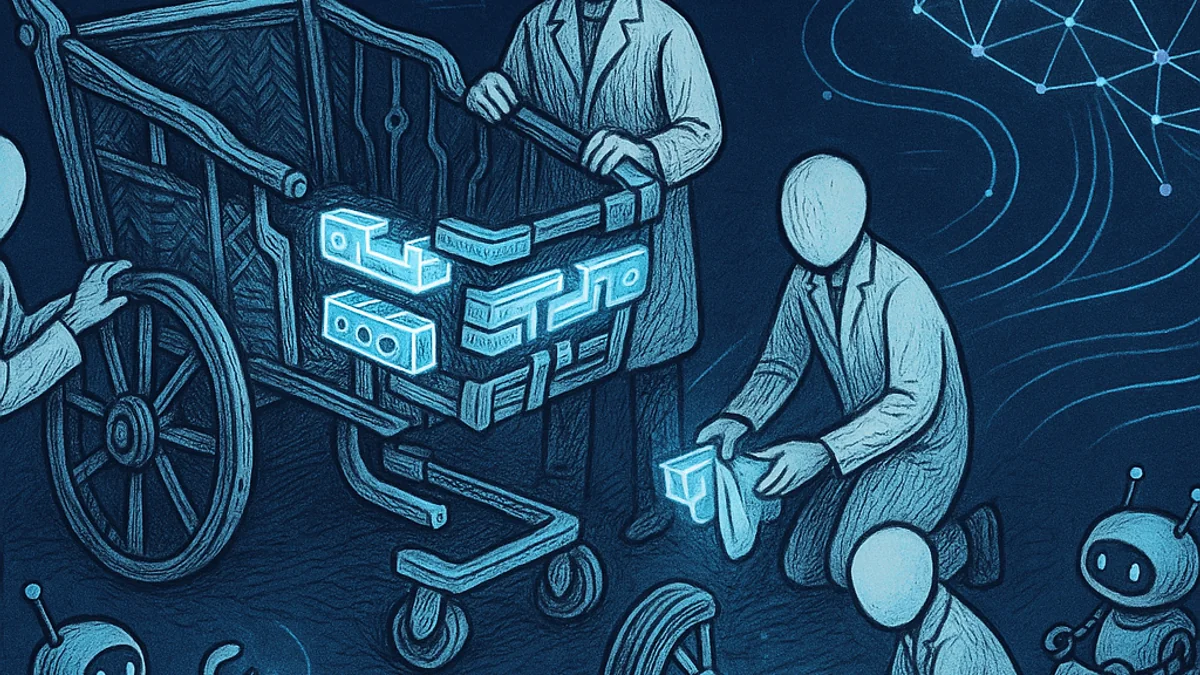
Etsy and Wayfair are already processing agentic checkout through Google's Universal Commerce Protocol. OpenAI and Stripe shipped a competing one. Cart and checkout are becoming infrastructure services — and the standards war is already here.

Everyone spent 2024-2025 experimenting with AI features. Q1 2026 is when the survivors figure out what actually works—and kill what doesn't.

Every e-commerce platform is racing to add AI features. But what if the real opportunity isn't AI features—it's AI architecture? What if the store itself could generate in real-time?

I just finished writing a whitepaper on agentic commerce. It's solid work. But something started bothering me. There's a version of this future that looks less like 'shopping gets easier' and more like 'retail becomes a trading floor.'

Spotify knows what song you want to hear next. Netflix queues up your next binge. But your favorite retailer? Still making you filter by Men > Shirts > Size L. After 15 years of personalization promises, why doesn't shopping work like streaming?
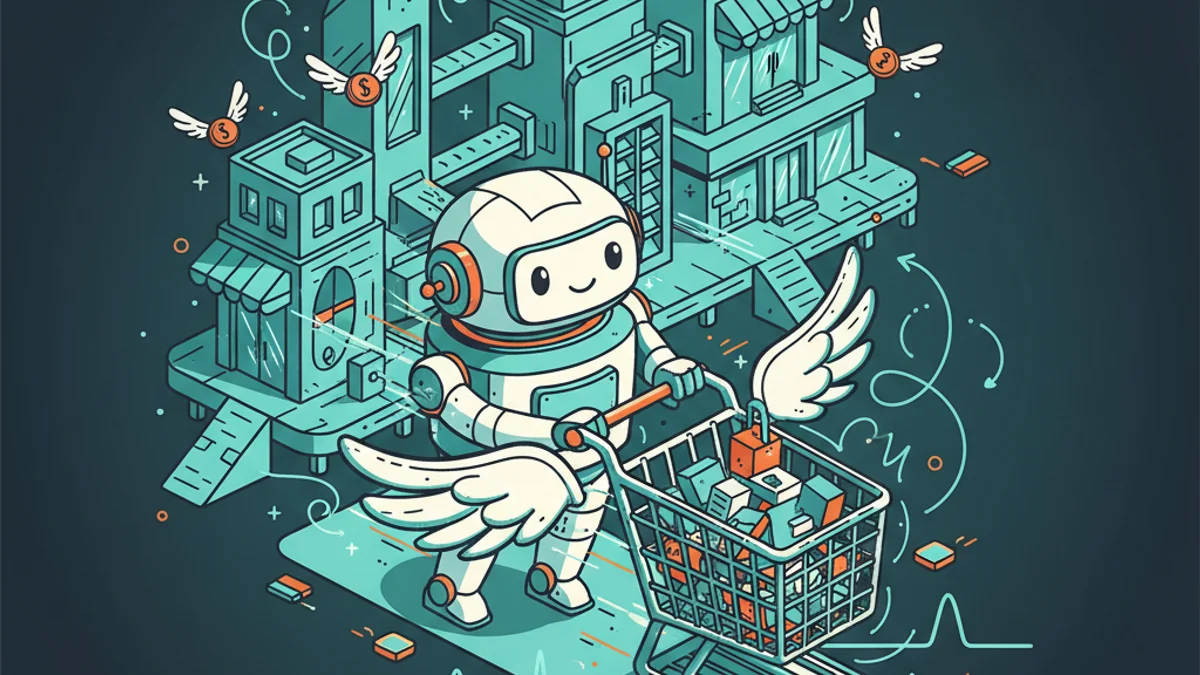
Agentic shopping doesn't change why we buy. It radically changes the cost of discovery and the precision of the pitch. The game is the same. The speed of the players has changed everything.
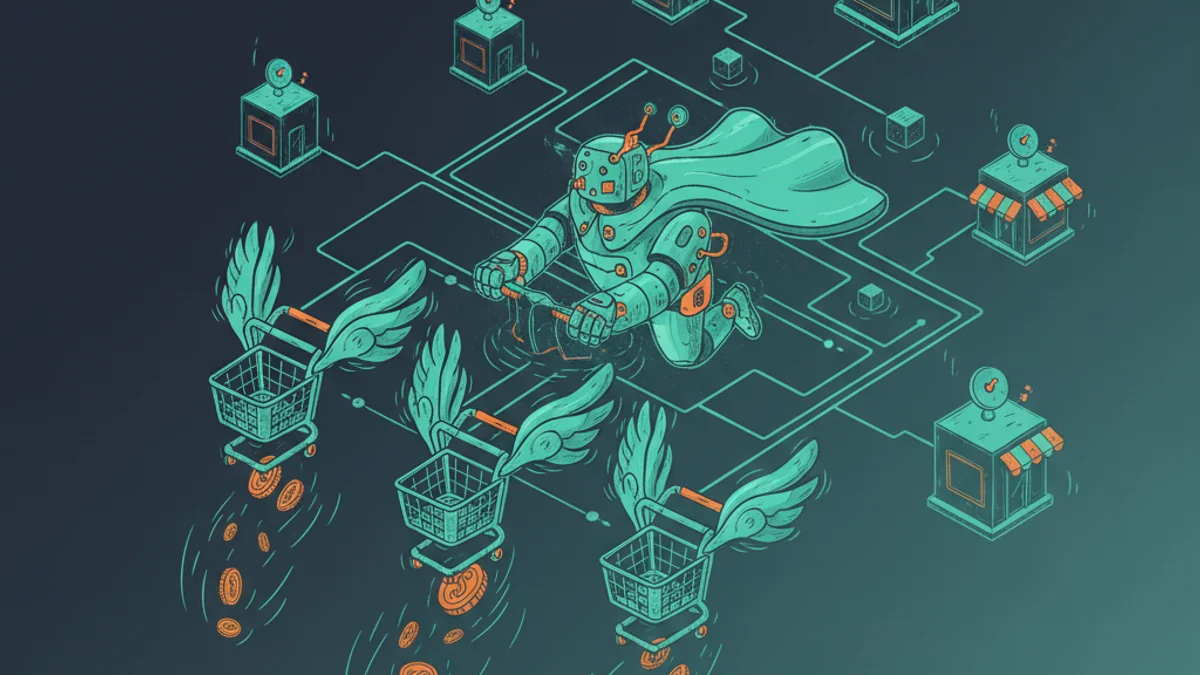
Everyone is busy selling shovels. But the mine moved. Agents now sell on surfaces brands do not own. The win is not a better shovel. It is eyes and throttle on those agents: traces, attribution, consent, limits.

Most reorgs I’ve seen are just corporate feng shui — shift a few boxes, rename a few titles, pretend it’s visionary. But this one? This one actually maps to something real. For once, the language isn’t just for clients — it mirrors what I’ve been doing in my own damn operating system.

AI doesn’t fail because it’s bad — it fails because your data lacks the infrastructure it needs to navigate. Language models don’t just search — they interpret. Most orgs haven’t built for that.

Your content is the storefront. If it’s not reducing friction or moving someone closer to a decision, it’s not connected to commerce at all.

The game changed. We don’t need new hires who’ve built a few apps—we need people who can navigate ambiguity, think in systems, and ask the right questions early.

The complexity isn’t in the tech—it’s in the noise. This final post in the Commerce Drift arc explores why reading the signal is the real skill behind every good commerce strategy.

We romanticize personalization. But sometimes the problem isn’t lack of choice—it’s too much of it. Especially when we’re not sure what we really want.
Composable promised freedom from the monolith. But in chasing modular flexibility, are we just assembling the same storefront with different colors and calling it strategy?

If customers don’t convert on your site, where do they decide? Trust now starts upstream—off-site, in content, and with zero friction.

A structured index of essays and field notes from Signal Dispatch. Organized by theme and series

Most customers already know what they want. They’re not browsing. The storefront isn’t where you win anymore—it’s just where you fulfill.