Red Is the Good News
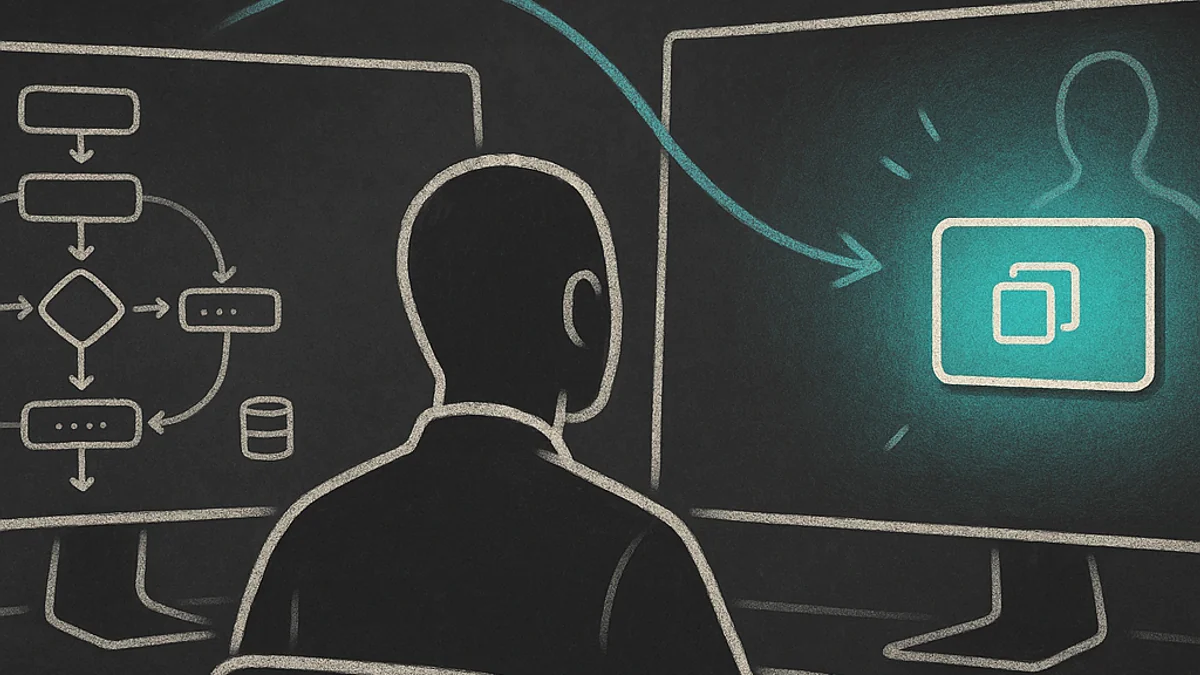
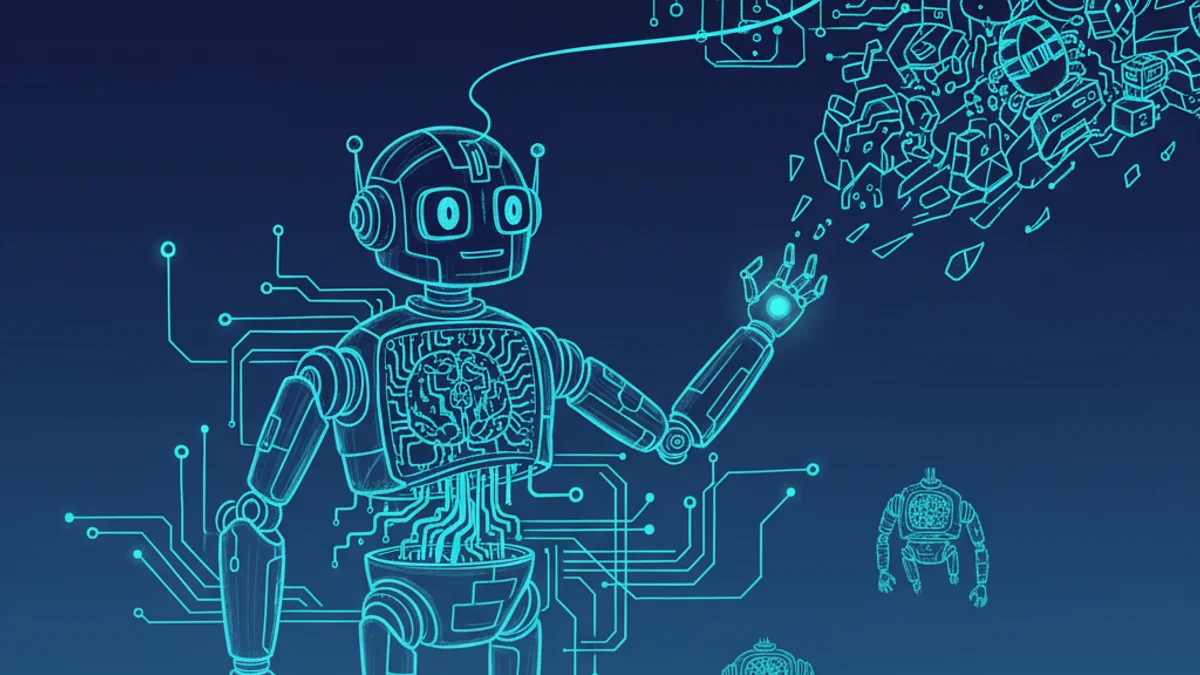
Three bugs that would have shipped clean. None of them threw an error. The only thing that caught them was a test written to fail first, against the real thing.
Found in: AI & Automation, Engineering, Reflection, Reflections, Meta, Field Notes
Three bugs that would have shipped clean. None of them threw an error. The only thing that caught them was a test written to fail first, against the real thing.
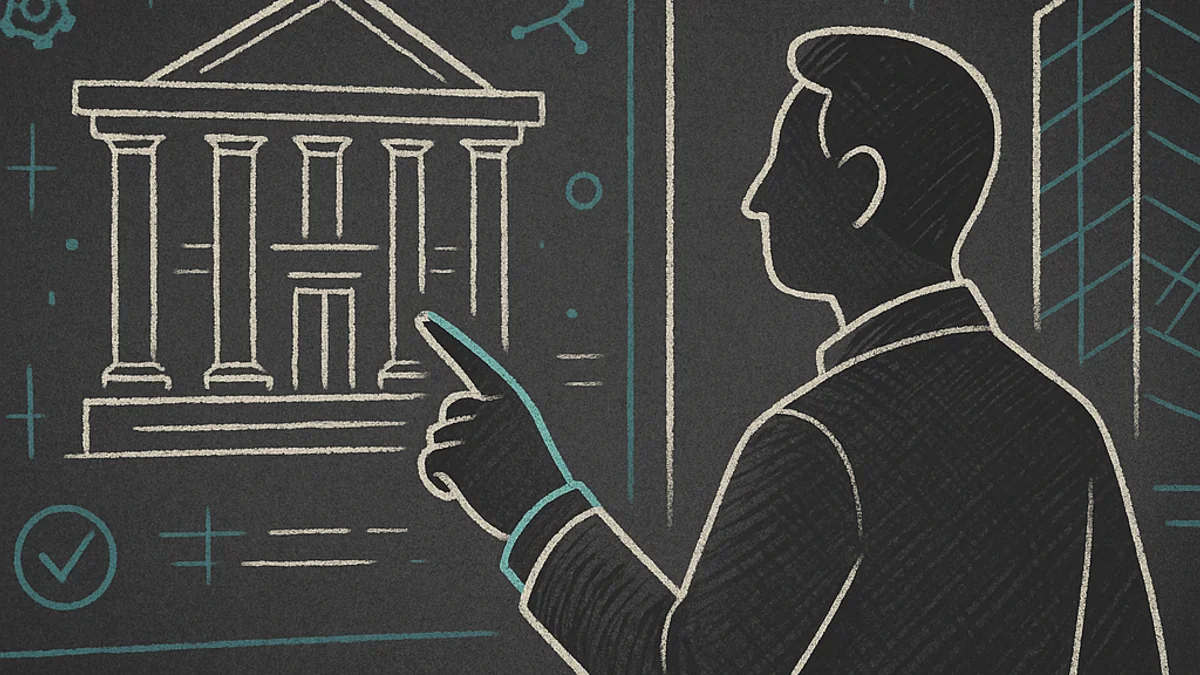
I asked an agent a simple product question and watched it spend three thousand words rediscovering things it had no way to trust. The fix wasn't a better map. It was noticing which artifacts in a codebase can lie to you — and which one can't.
Someone asks you a question. You answer it carefully. They don't react to your answer — they ask the next question. That's when you realize the first one wasn't a question. The move has a shape, and it has a specific cost to builders who share work in drafts.
Every creative medium that got cheap hit this moment. Art, music, publishing — all flooded, all eventually rescued by a curation layer that scaled up to match the garbage. Software is in the flood now. Curation isn't going to save it, and I don't think we've noticed the reason yet.
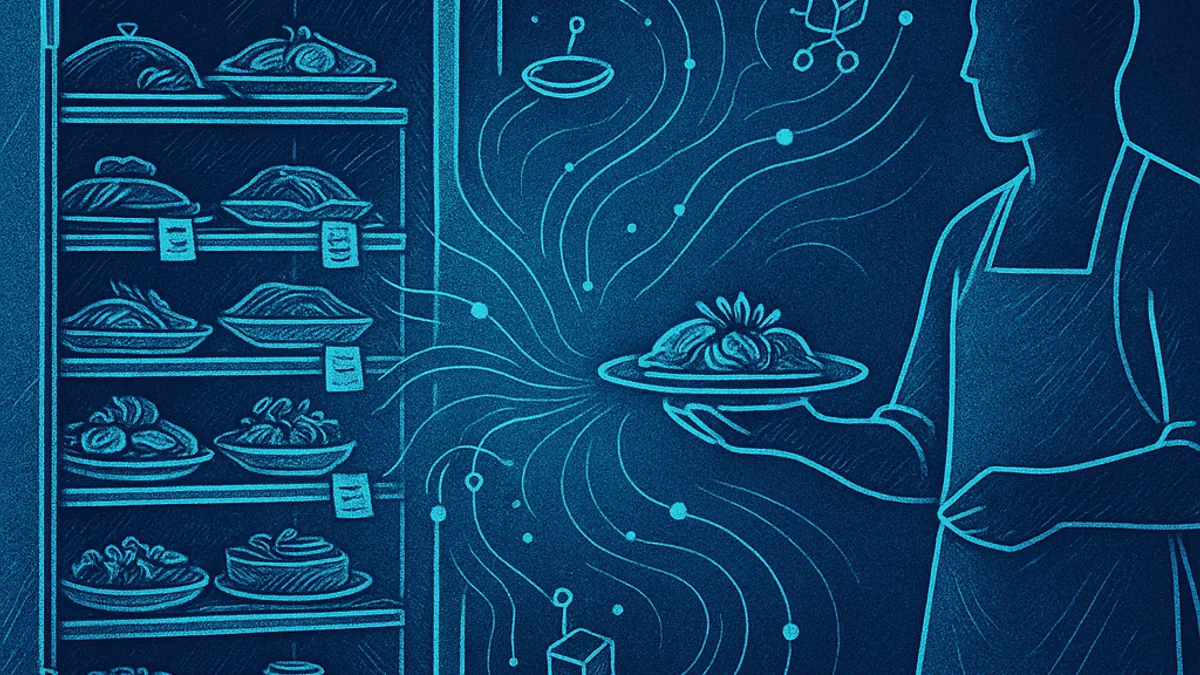
I ship an end-to-end project most Saturdays and put it in a drawer I never reopen. So does everyone I know. The walk-in is full — not with abundance, but with relocated scarcity. What looked like software culture was partly muscle memory, an involuntary reflex held up by cost, and it's atrophying now that nothing fires it.
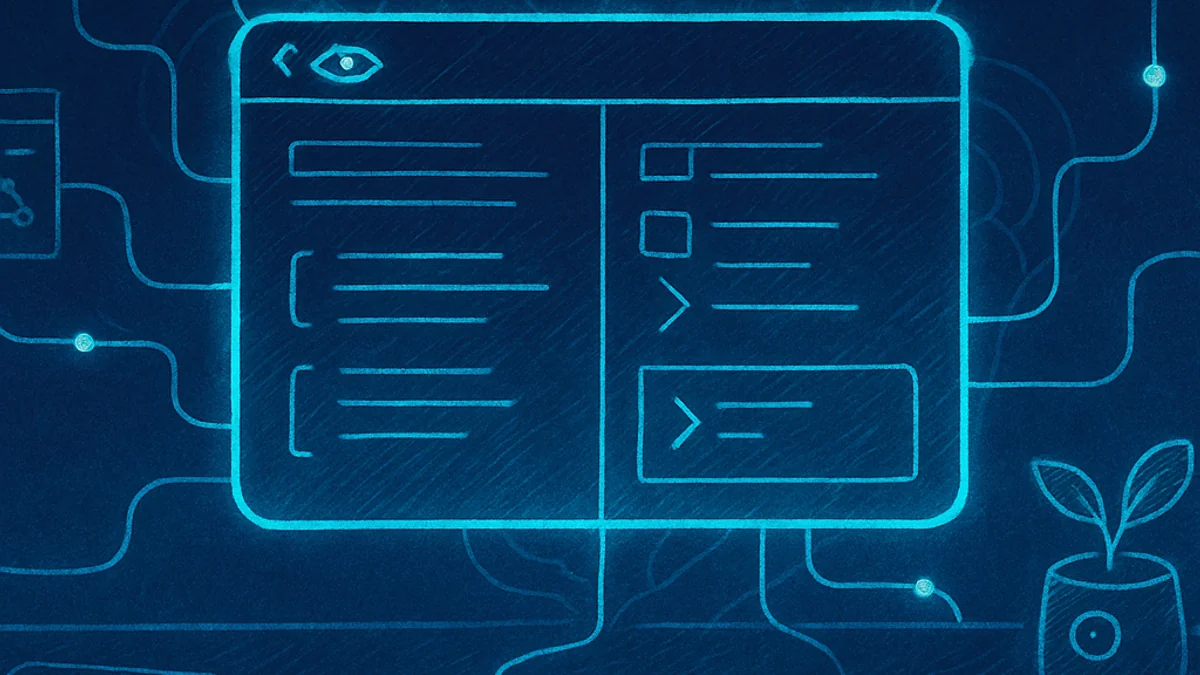
Supabase added a 'Copy prompt' button that bypasses their entire setup guide. It's a small UI change that reveals a big design shift — and it pushed me from 'context engineering' to 'probability engineering' as the real frame for agent-native tooling.
The practical companion to 'What 223 Sessions Taught Me.' How to set up CLAUDE.md files, the memory system, custom skills, project-scoped conversations, and the infrastructure that makes AI-assisted development actually sustainable.
I pulled 30 days of Claude Code session data — 223 sessions, 38,000+ prompts, 32 projects, 1.2 GB of conversation. The numbers tell a story about what AI-native development actually looks like when nobody's watching.
Every productivity wave in software history expanded demand for developers instead of shrinking it. AI should follow the same pattern. Unless the thing it produces is just good enough to ship and just bad enough to compound.
Someone made the argument that most developers were never really engineering — they were sourcing solutions from Stack Overflow and Reddit, and AI just swaps the supplier. It's an uncomfortable take. It's also not entirely wrong.
When will I be able to type natural language in my terminal and have the OS just understand? The answer is 2026—but not in the way you might expect.
If I handed you my camera right now—same lens, same settings, same light—would you get the same shot? The tools are available to everyone. The output isn't.
If both bubble and build-out are real, what do you actually do? Here's what I'm seeing work—and what's failing—across different roles.
I built a $2.5M platform in 80 hours using GenAI tools. Heres what the numbers actually say about productivity, cost, and what happens when you stop pretending software takes as long as it used to.
Blog posts claim LLMs struggle with Svelte 5.' Our evidence? Two production apps, 69 components, and Agent-OS v3.0.0 optimized for Svelte. The data doesn't match the narrative.
Meta-Companion to "Living The Gap"
Testing was my bottleneck. So I built a framework where AI writes, runs, and validates the tests.
Theres a strange kind of bottleneck that only shows up after you've gotten fast. The only real blocker left is waiting for a model to finish one thing before starting the next.
When your users are on sun-drenched beach courts and dimly lit evening gyms, you need more than a theme toggle. You need environment-aware design.
AI credits vanished quickly, highlighting hidden costs and forcing clarity into my development process. Here's how a $50 investment turned into a practical blueprint for smarter AI‑assisted builds.
Burned-out coder to live app in one weekend: two failed scrapers, one hidden JSON API, and AI tools that scaffolded the rest. How DevTools + GPT turned AES volleyball data into an MVP—and why your next Jira ticket might build itself.
I didn’t need to build the site from scratch. That was the point.
I built the core Let’s Pepper site in under 2 hours—then spent over 8 trying to get one visual detail (the section dividers) to look right. AI can prototype, but it doesn’t ship. This post breaks down why the real work happens after the first draft, and why experience still matters more than ever.