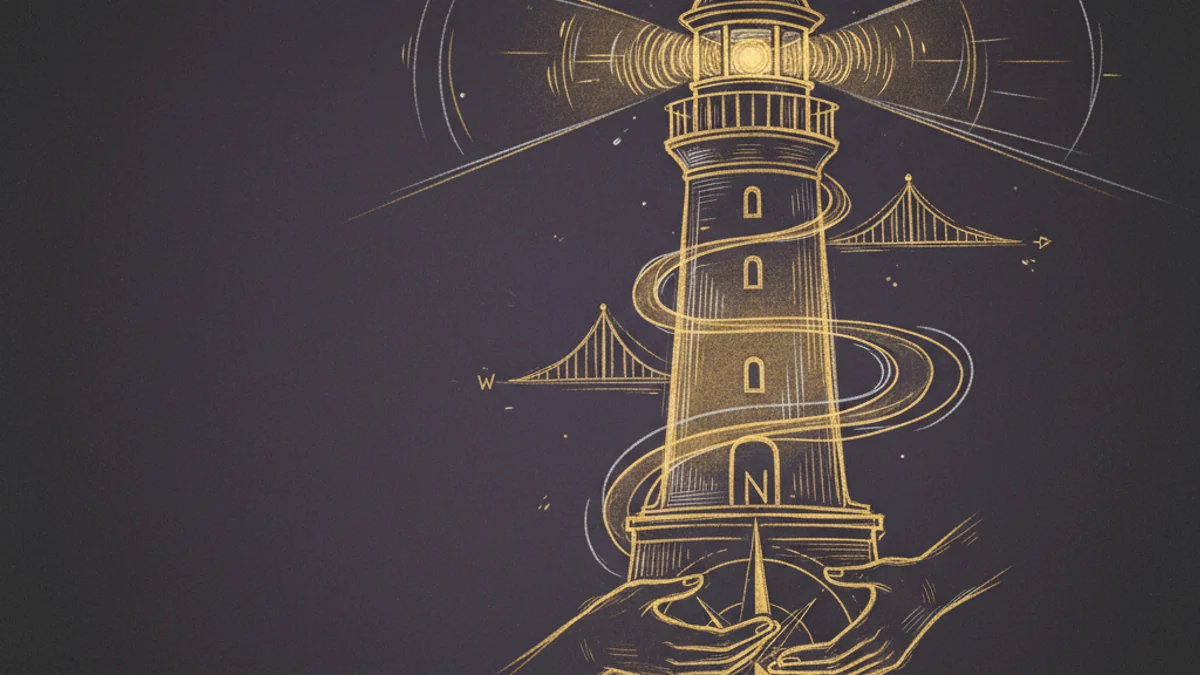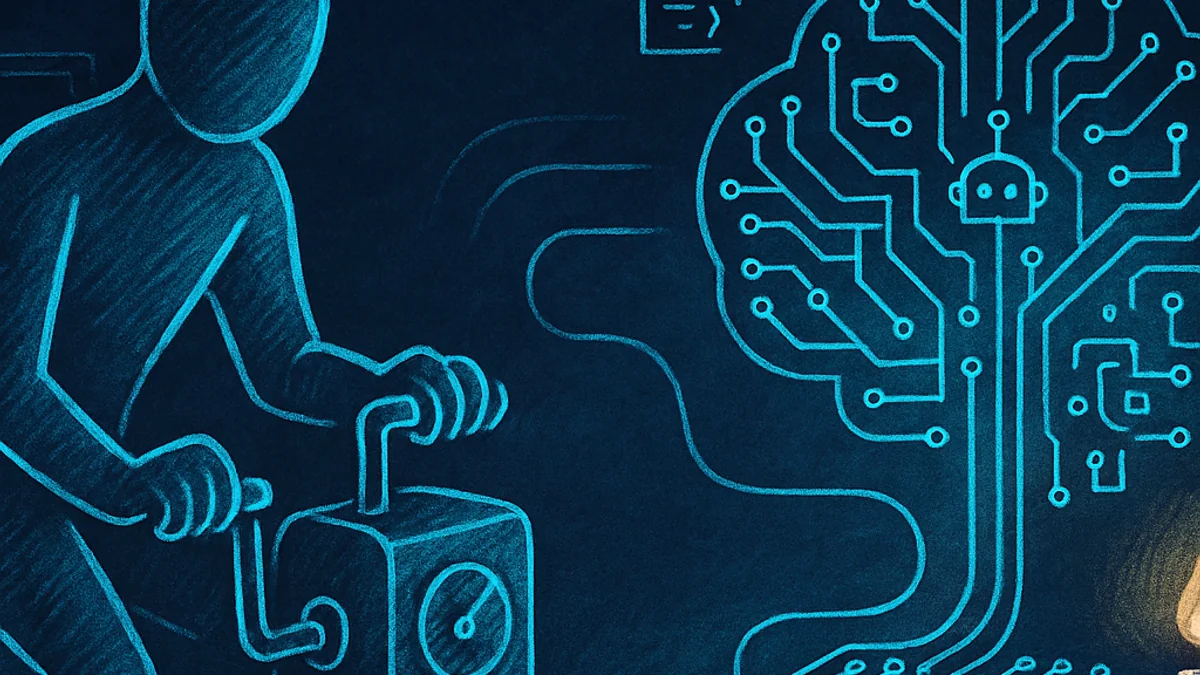
Same Game, Different Sand
The best indoor player I ever coached couldn't pass a ball on sand. Same sport. Same skills. Completely different game. I'm living that transition right now.
Found in: Reflection, AI & Automation, Leadership, Insights, Reflections, Consulting, Philosophy, Field Notes, Commerce
The best indoor player I ever coached couldn't pass a ball on sand. Same sport. Same skills. Completely different game. I'm living that transition right now.
The 95% AI failure rate isn't a stop sign. It's a job posting for people who know how to build the roads.
Is a clock an asshole for telling you the time when you're late? The answer reveals something uncomfortable about how we receive honesty.
Wade Foster doesn't send memos about AI. He runs hackathons and show-and-tells. That distinction matters more than most CEOs realize—and it's the same thing I've been telling my own teams.
An LLM is the ultimate observer. Like the angels in City of Angels, it watches everything. But it cannot taste. That's both a gap and an opportunity.
I've been the bridge. Between strategy and code, between design and delivery. It's exhausting. And lately I've been wondering if exhausting is the same thing as valuable.
After 25 years bridging strategy to production, I still can't answer 'what do you do?' cleanly. That might be the point.
Hank Green says the AI industry is a bubble. I think we're looking at it wrong—what if AI isn't a product at all, but a foundational technology like electricity?
If AI does all the junior work, where do the senior engineers come from? I used to see this as a pipeline problem. Now I'm wondering if we're not even using a ladder anymore.
I used to wear 'GSD' like a badge. But somewhere along the way, I realized my old mantra was creating the exact dependency I was supposed to prevent.
A field guide for countering common traps of misguided experience.
I live between presence and projection — here, but already ten steps ahead. It’s a tension of slowing down, waiting for others, holding the map while walking the same road. Leadership often means pacing yourself so we can arrive together.
AI isn’t just accelerating software development — it’s reorganizing it. This post unpacks what changes when you start designing teams, tools, and processes around a human–AI hybrid model. Planning shifts. Costs shift. Roles shift. The real question is: are we ready to shift with it?
In consulting, sensing a problem feels like smelling smoke. But is there really a fire? This piece explores when to speak up and when to hold back — balancing risk detection with protecting people from blame. Leadership is often about navigating that tension with care.
Like most devs experimenting with AI tools, I’ve found myself juggling multiple platforms, APIs, and half-understood schemas to build things faster. Sometimes it works. Other times, it works against you.
Dropped phone, lost life. Same test applies to corporate AI: if your copilots vanished tomorrow, would work even slow down? The “Lost-Phone Test” exposes integration gaps and makes the case for a Chief Intelligence Officer to weave tools into real workflows.
Most AI conversations start in the wrong place — with tools, not capabilities. What’s missing isn’t another pilot. It’s a new executive role: someone to steward how your organization thinks, learns, and evolves.
If you want to go fast, go alone; if you want to go far, go together
One of the easiest traps to fall into as a leader or expert is assuming we already understand. That assumption — even when subtle — shuts down curiosity, slows progress, and can quietly place the burden of clarity on everyone but ourselves.
Signal Reflex is now Signal Dispatch — a shift from sensing to sending. Same voice, sharper intent. This is where ideas go out.
Signal Dispatch · Field Notes on Agency in Relationship
Signal Dispatch · Field Notes on Influence
(How to Keep Moving Without Losing Yourself)
You don’t have to be the thread. Or the pattern. Just be the thing that lets it all come together.
A shiny idea isn't strategy. This post digs into decision hygiene: the discipline of thinking beyond the spotlight, and seeing the systems, ownership, and scope your choices actually live inside.

Once I know someone’s worth investing in, I shift gears. Here’s how I coach without taking the wheel—and why presence matters more than pressure.
Not everyone clicks right away. But I’ve learned to spot the difference between someone who just needs support—and someone who’s not built for the work we do.
The game changed. We don’t need new hires who’ve built a few apps—we need people who can navigate ambiguity, think in systems, and ask the right questions early.
Hiring the right consultant isn’t about checking boxes. It’s about building the kind of process that makes the right people show up—and lets the wrong ones opt out early.
Being a great problem solver isn’t always the win it sounds like. If you’re not careful, you become the dumping ground for everyone else’s chaos. Here’s what I’ve learned about restraint, scope, and selective clarity.
I hold up the mirror for others all the time—clients, teammates, athletes. I just can’t seem to look in it myself. This post explores what it means to help others see their potential while still wrestling with your own.

The story that you’re too damaged to change is just another form of avoidance. False exemption doesn’t always sound like pride—it often sounds like hopelessness. But even if you’re not to blame for how the storm started, you’re still responsible for how you move through it.

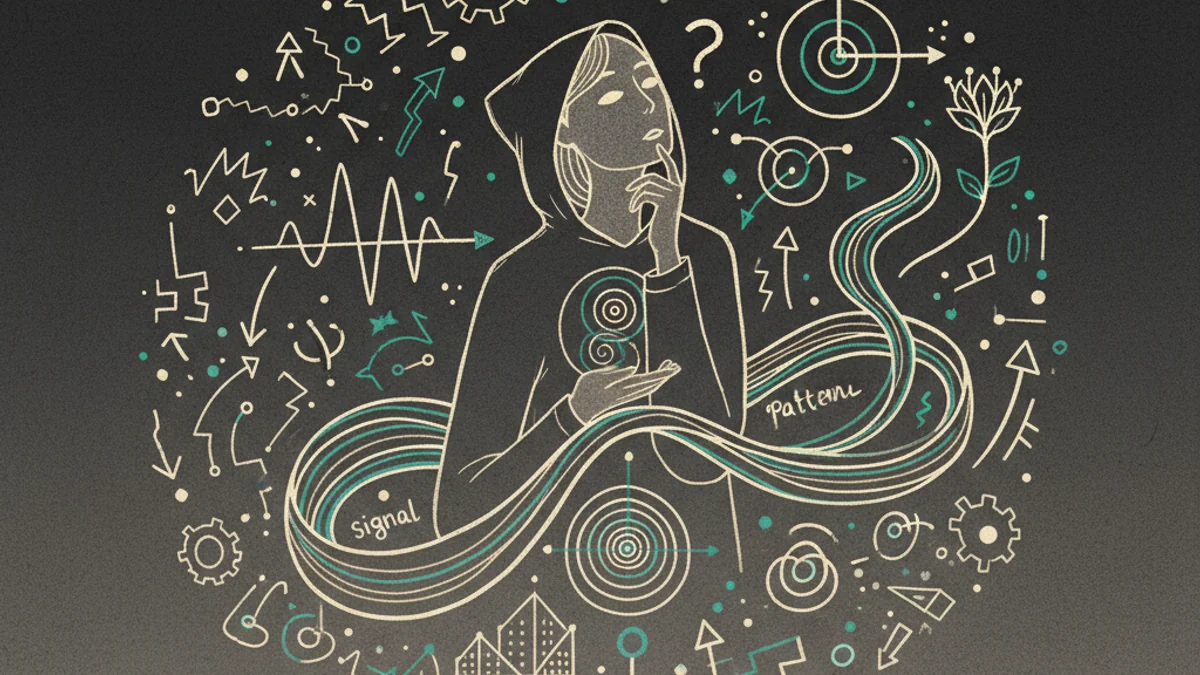
Choosing growth isn’t just about courage. It’s about cost. To change, you have to give something up—comfort, certainty, even identity. And deep down, many of us decide we’d rather stay soaked.
This isn’t about people who don’t know better. It’s about people who do. Who see the storm coming, feel the weight of the umbrella in their hand… and still stand there, getting soaked.
A structured index of essays and field notes from Signal Dispatch. Organized by theme and series
These aren’t feel-good slogans or poster values. Just the quiet rules that have kept me useful, sane, and steady—even when the pressure’s high and the spotlight’s off.
Coaching club volleyball taught me more about leadership than any workshop ever could. From managing expectations to building trust, this post breaks down the surprising overlaps between the gym and the boardroom.
Post 2 of 4 in the Grid-Level Thinking series—access isn’t the differentiator anymore. Application is.
I don't move to be seen. I move when it matters. My personal philosophy is about recognizing signal, trusting pattern, and acting with intent.
I lead with clarity and calm—not noise. Sometimes that looks like being the one who steadies the room. That’s why they call me Uncle Nino.