Same Game, Different Sand
The best indoor player I ever coached couldn't pass a ball on sand. Same sport. Same skills. Completely different game. I'm living that transition right now.
I've spent six months proving that one person with AI agents can build what used to require a team. Now I'm joining Commerce.com to find out if that methodology survives contact with an organization.
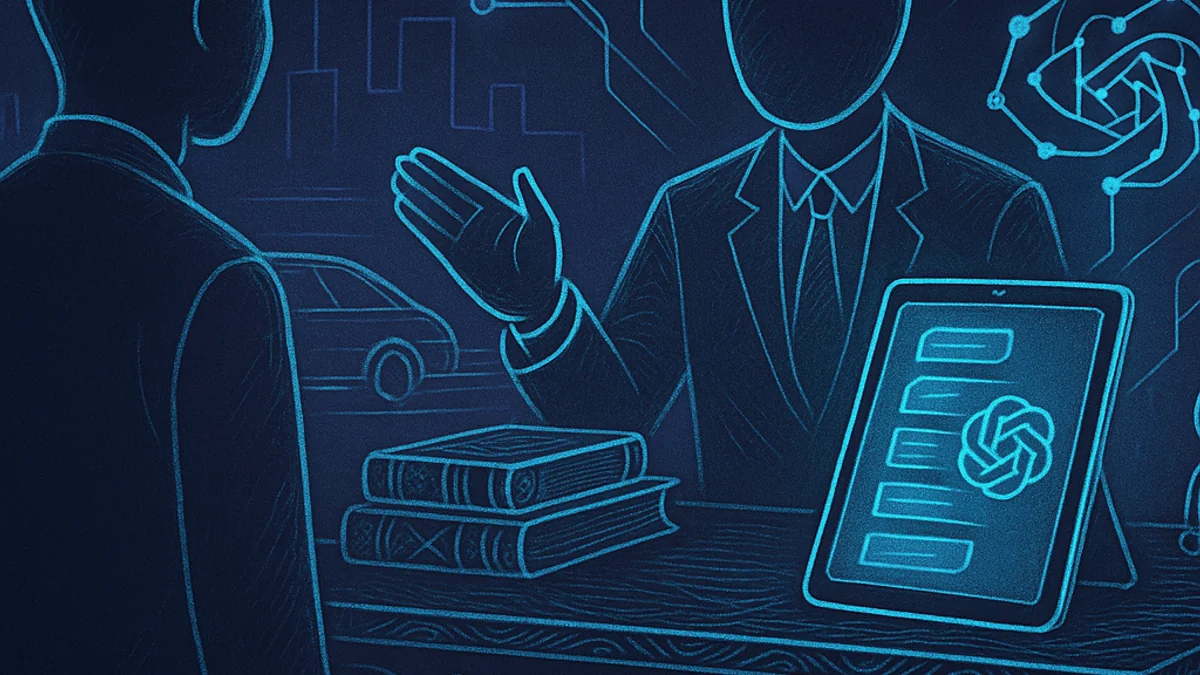
I wrote about simulation replacing apprenticeship. Then I stress-tested the idea. The technical case still holds—but I was wrong about what matters most.
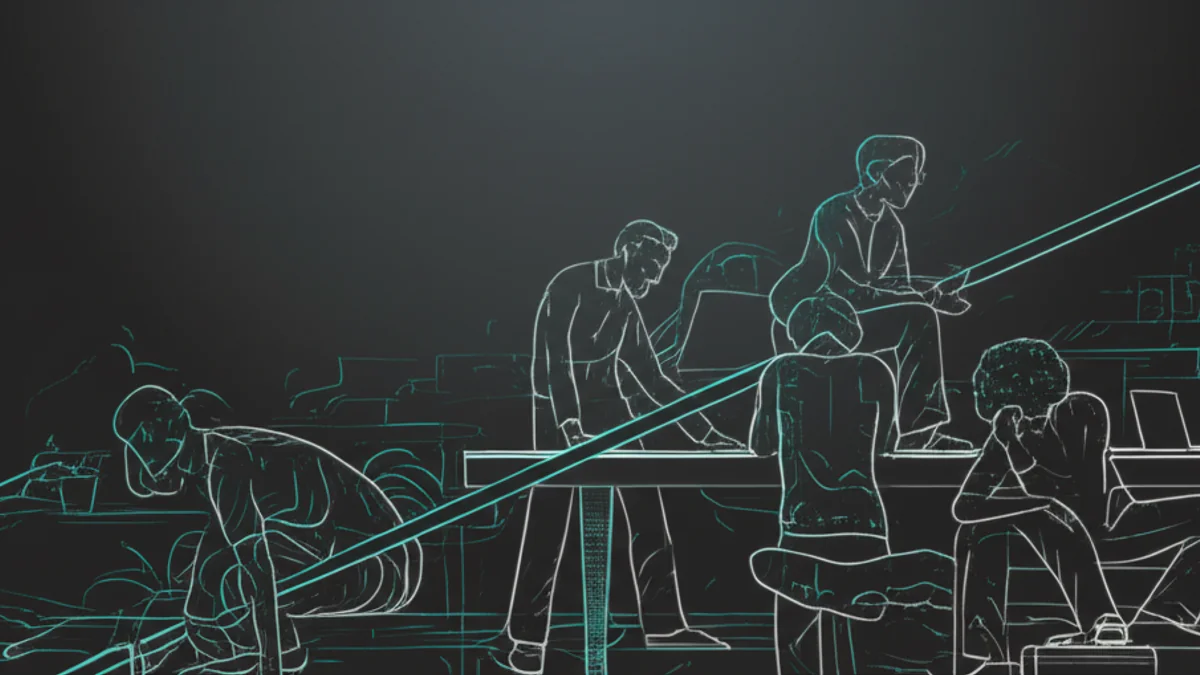
The consulting industry's apprenticeship model was never really about the work—it was about proximity to mastery. When AI handles the grind, how does anyone learn to become a partner? The answer is reshaping the entire profession.
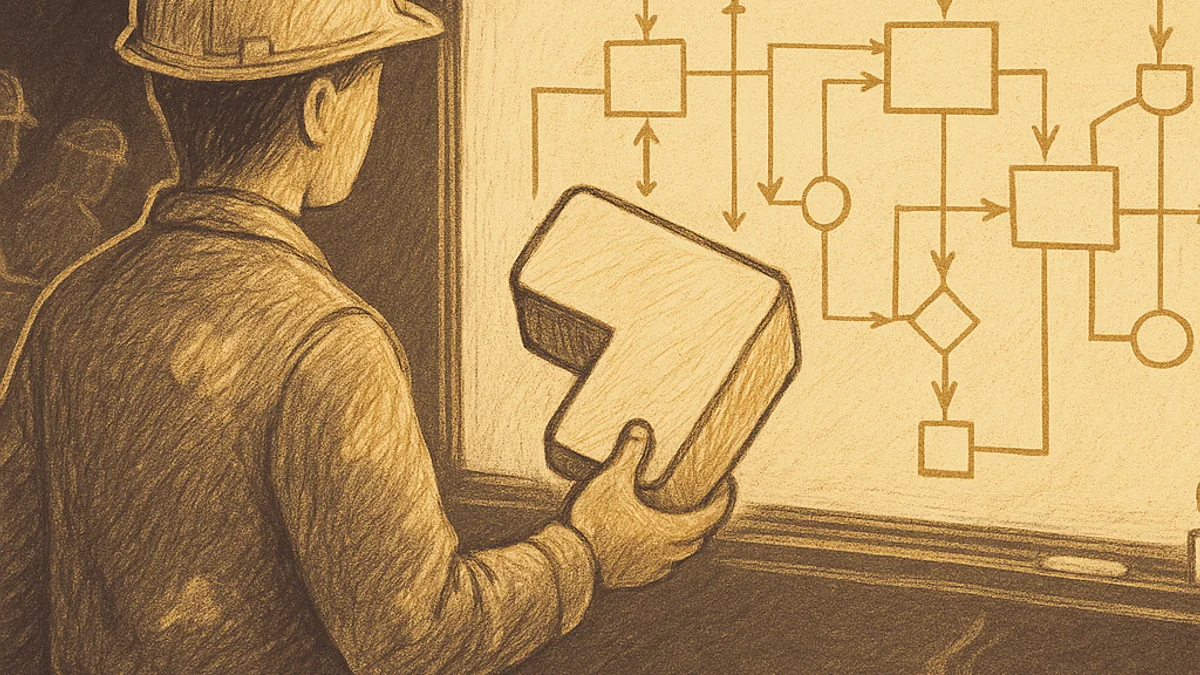
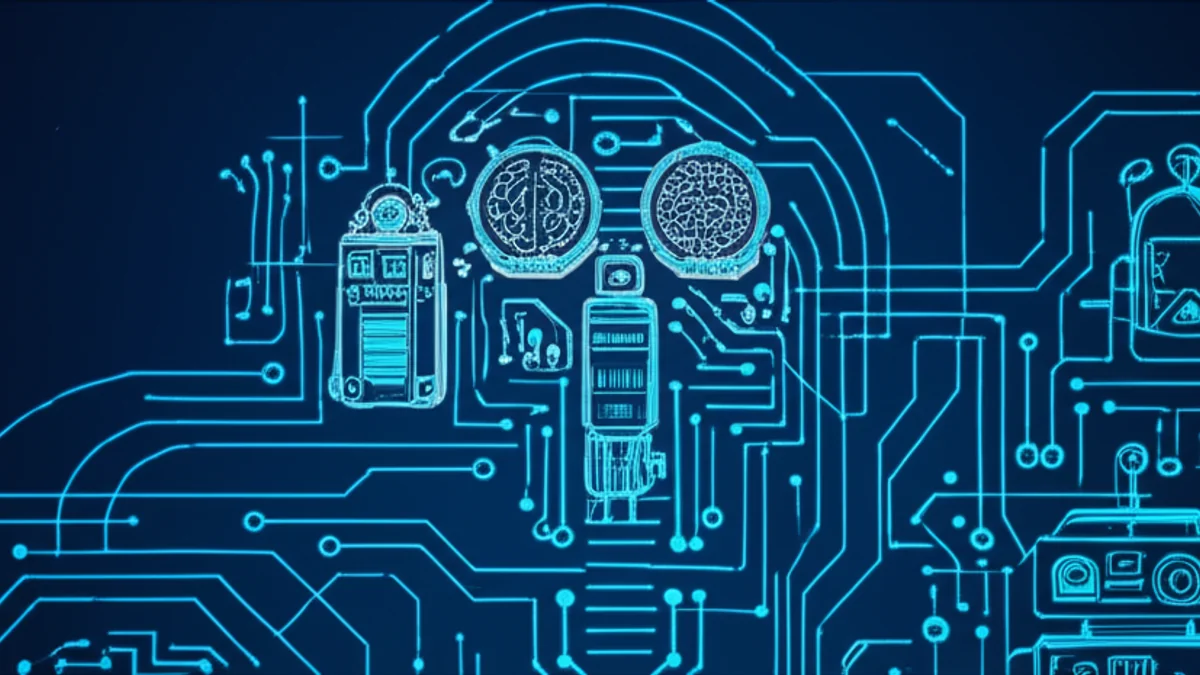
We're not short on people who can chat with a bot. We're starved for people who can deconstruct a business process into atomic units an AI can actually execute. That gap has a name now.
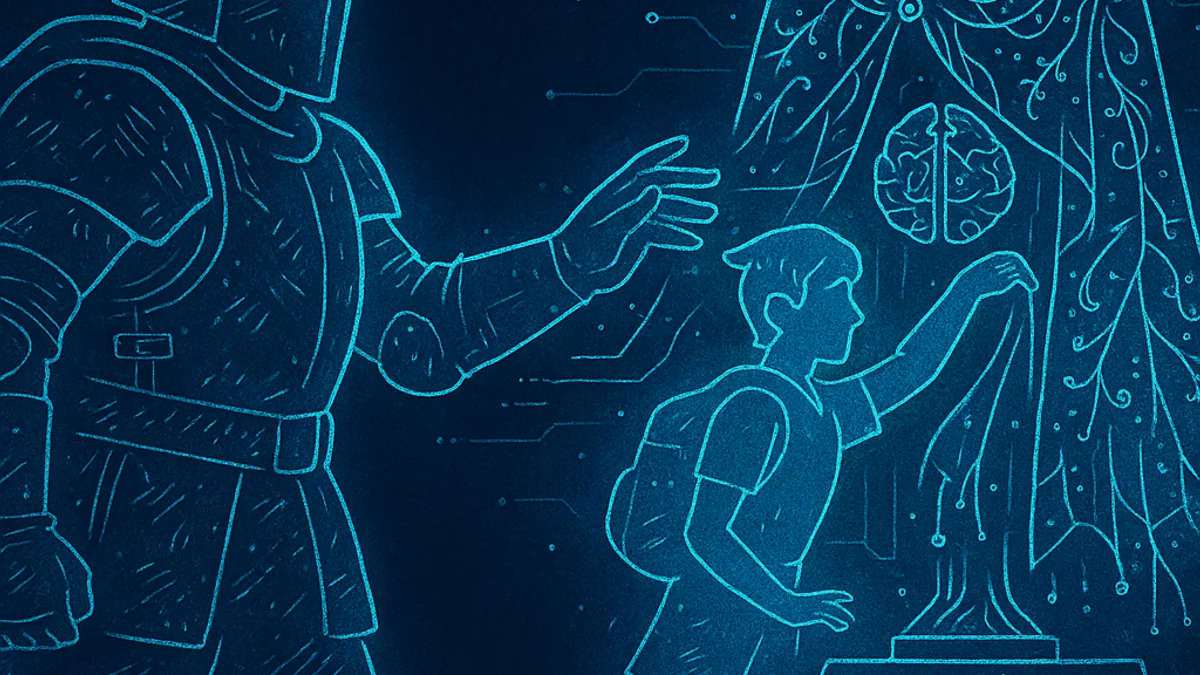
College students aren't just using AI chatbots anymore. They're building automation systems, running local LLMs, and treating software engineering as a just-in-time capability. The 'Chat Terminal' era is over.
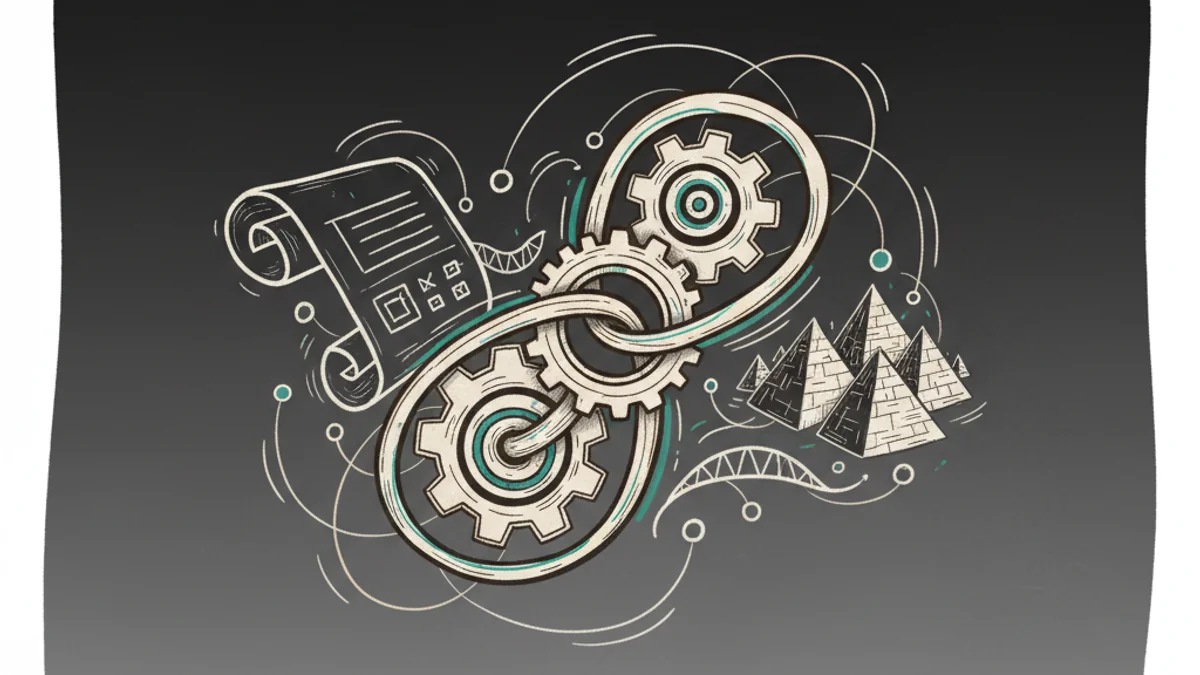
Consulting has played this game twice before—with body shops, then offshore. Now AI is the new lever. But what if the pattern itself is the problem?
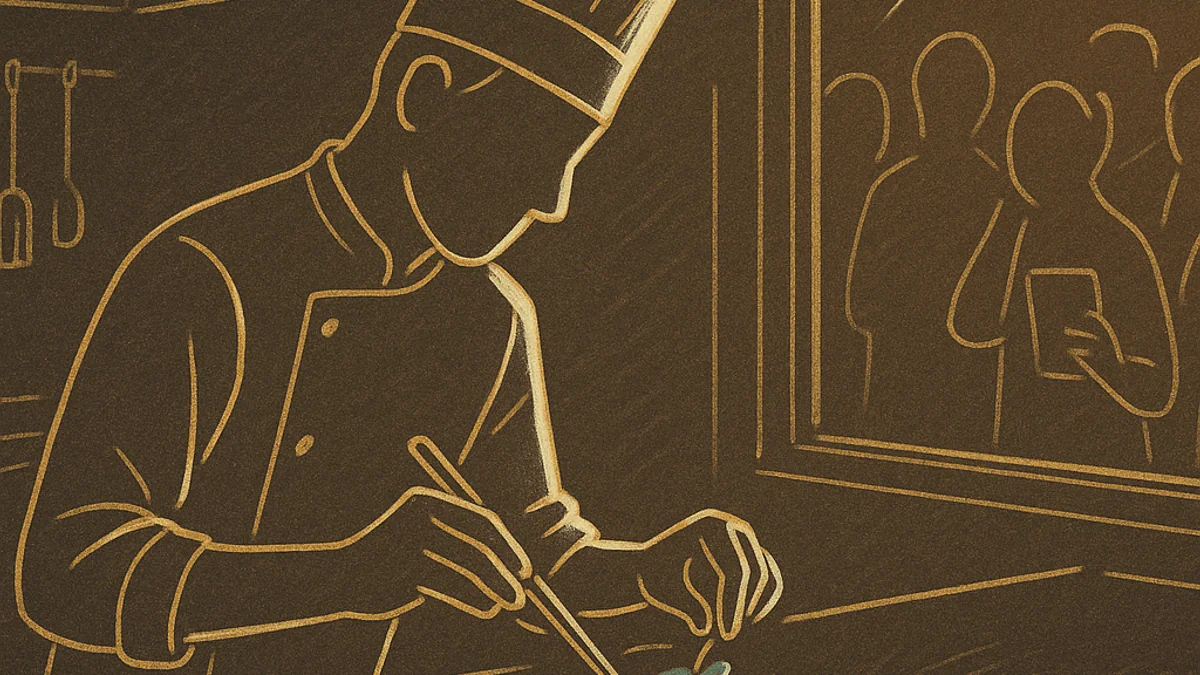
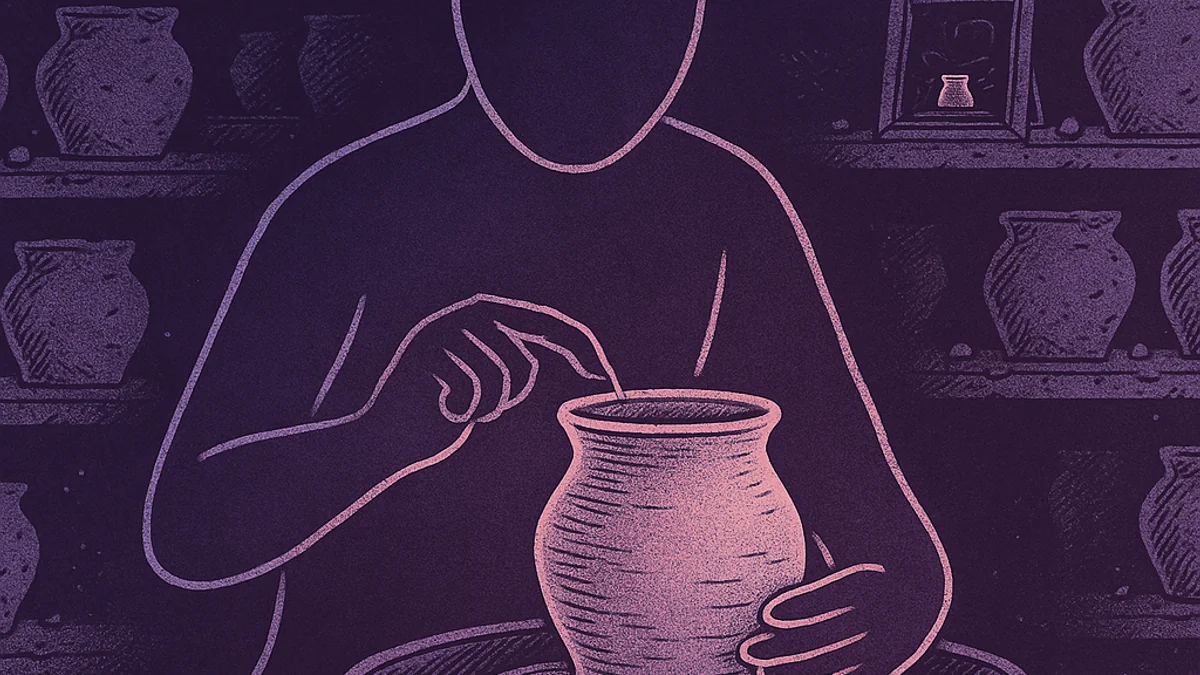
I don't need more Salesmen. I need a Sushi Master, a Pitmaster, and a Molecular Gastronomist. AI lets us return to the Guild—craftspeople in their own lanes, augmenting their own mastery.
I've been the bridge. Between strategy and code, between design and delivery. It's exhausting. And lately I've been wondering if exhausting is the same thing as valuable.
After 25 years bridging strategy to production, I still can't answer 'what do you do?' cleanly. That might be the point.
I built a $2.5M platform in 80 hours using GenAI tools. Heres what the numbers actually say about productivity, cost, and what happens when you stop pretending software takes as long as it used to.