
AI & Automation Sep 15, 2026 · 1 min read
The Connector You Can't OAuth
I asked the new Siri what it could infer from a week of texts. The answer was not a better chatbot. It was inference over a graph no OAuth connector gets.
Read post
Found in: AI & Automation, AI Development, Engineering, Reflection, Meta, Systems Thinking, Consulting, Insights, Commerce, Philosophy, Field Notes, Leadership
I asked the new Siri what it could infer from a week of texts. The answer was not a better chatbot. It was inference over a graph no OAuth connector gets.

A useful design reference may come from a completely different product. The work is identifying the decision it helps with, then telling the agent which part should transfer.

Using AI takes practice, but a product that needs an expert to catch its mistakes should say so before someone relies on it.
I asked an AI agent to audit my app for the person it was built for. It sent five sub-agents to check documents and none of them looked at the screen.
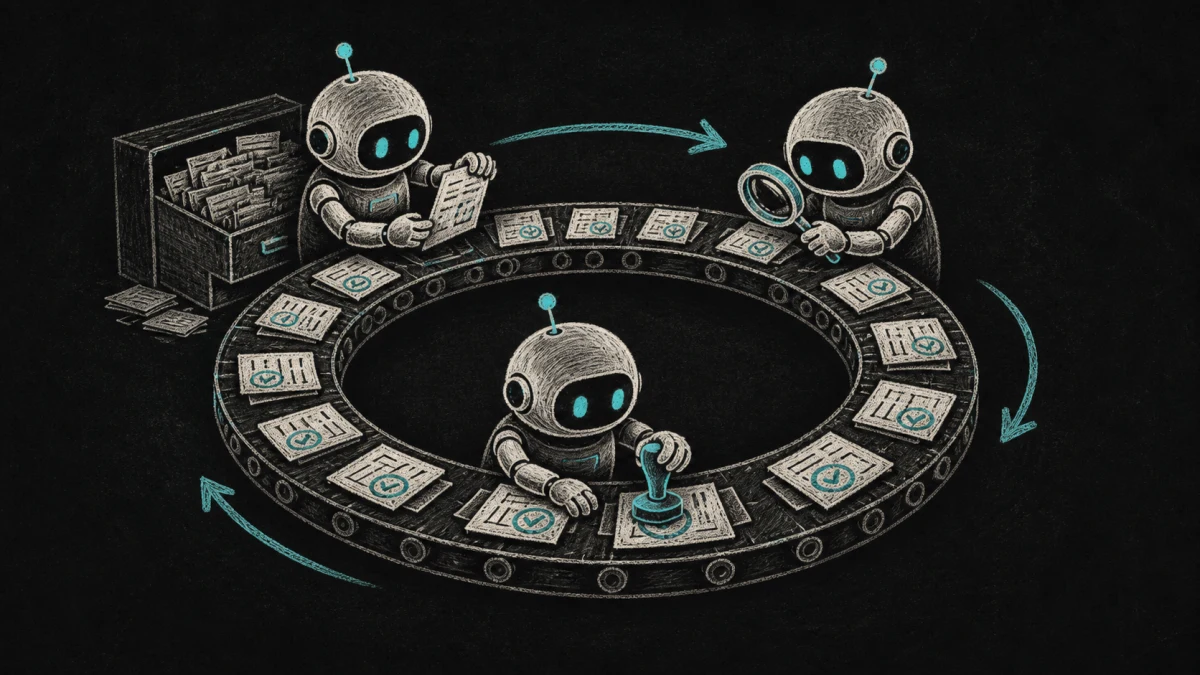
A small inspection of one runaway session became repeated parallel work before it had earned that expansion. The 119-of-118 report was the alarm.
My machine ran out of resources, so I handed an agent four screenshots and typed one word: fix. It did a good job. A day later, twenty-two connector processes were still running, every one of them marked disabled in config. Nothing had failed — and that turns out to be the interesting part.

Last October I published a post arguing that agent safety is an architecture problem: the model proposes, hard-coded code disposes, a human approves. Then I built exactly that for a youth sports club's website and used it for an hour. I found seven things wrong with it. None of them were in the part I had been afraid of.
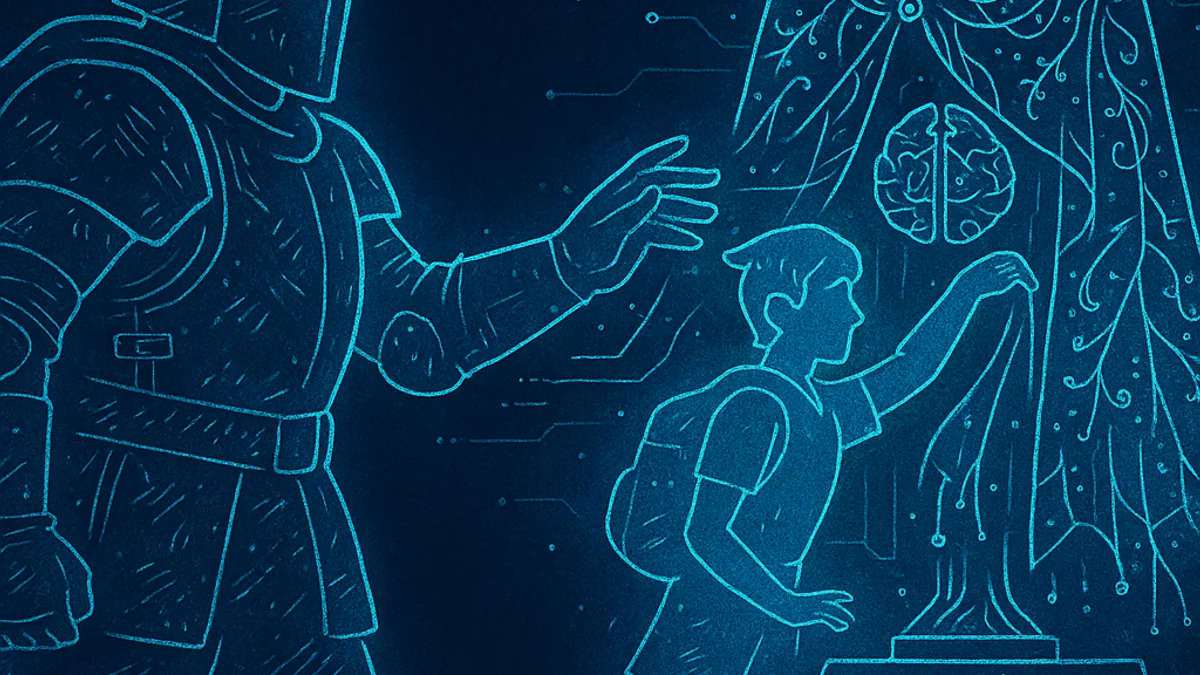
Fixed-task studies measure whether AI helps with familiar work. My repository history raises a different question: does AI change the range of work one person attempts?
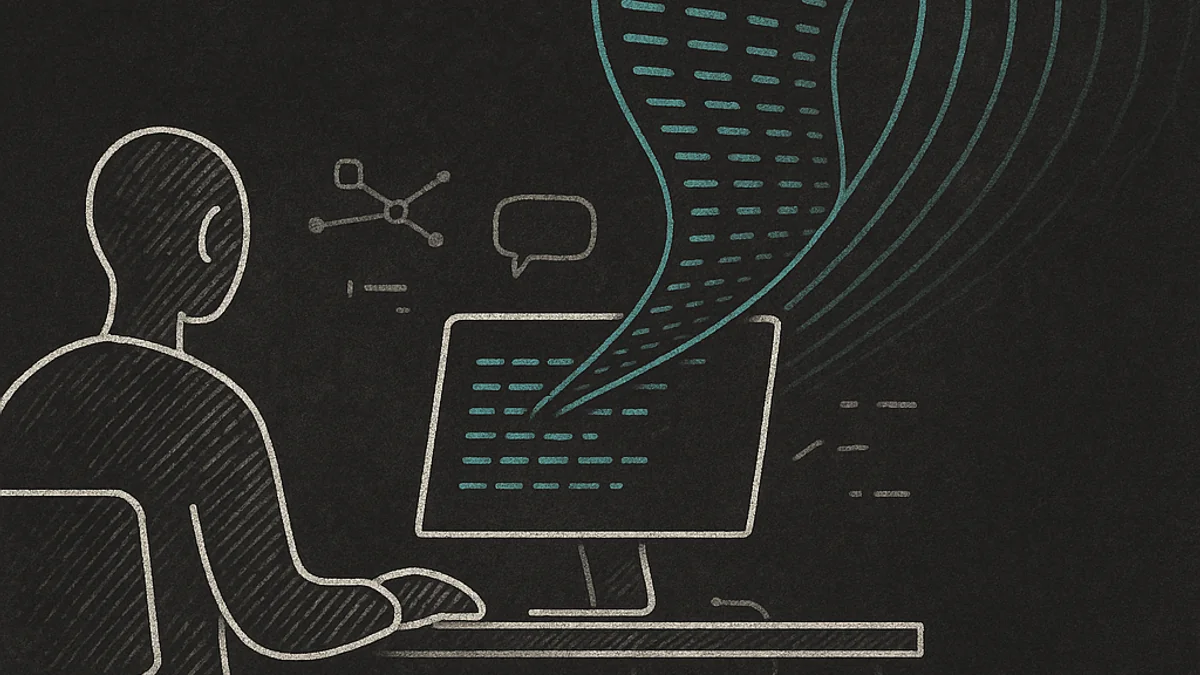
A pipeline mines my agent sessions into a character sheet that gets loaded as context. The top-ranked correction in it is a deny message from a hook I installed, quoted back at me across 117 sessions.

A written rule is not a control until the system has a place to enforce it and a failure record that proves what happened.
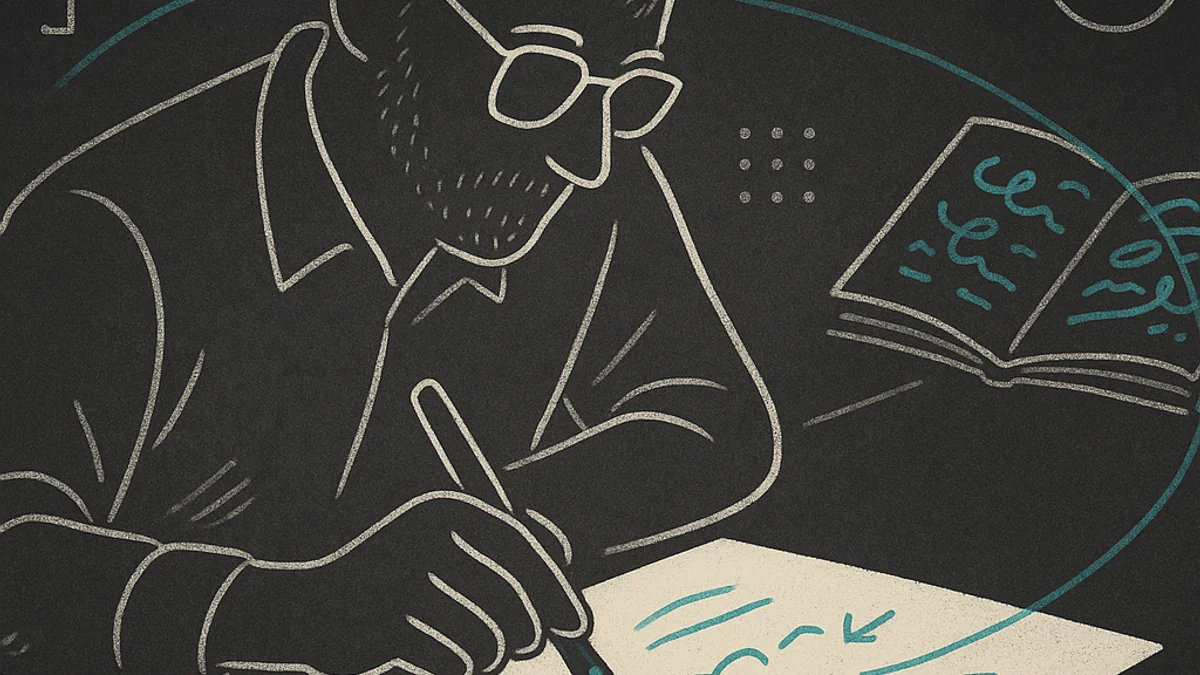
I asked an AI to audit the style guides that teach AI to write like me. The tone card was describing machine messages, the guide's examples had become tells, and a checker was grading drafts for phrases the corpus abandoned months ago.
A coding-agent plugin with 66,000 stars keeps landing in my inbox. The version that could actually run on my machine ships eight components. Seven of them my setup already does, can't use, or would pay for twice.

A strategy document I ship can carry an invented figure through every automated check I built, as long as the sentences around it are well-formed and the links resolve. I went looking for that hole on purpose. Then I decided not to close it.
I went looking for a tool I'd built four days earlier and it was gone. It hadn't failed — it had run, found two real problems, and fixed both. Working correctly and existing durably turn out to be different properties, and running the thing only tests one of them.
A rival model's review of my agent's work looked sharper — it pushed back, it demanded alternatives. So I ran a controlled experiment on my own harness: same model, same prompt, config on and off. The vanilla arm argued with me. Mine never did.
I rebuilt a database table and it silently deleted two columns I needed. No error. Every test for the thing I was changing passed. Here's what actually caught it.
Three bugs that would have shipped clean. None of them threw an error. The only thing that caught them was a test written to fail first, against the real thing.
There's a file in my project whose only job is to stop me from making one mistake. I made it three times in a row. The difference between a rule and a wall.
Thirteen features shipped green. The designs were all wrong. The system made being wrong cheap—but only on one side of the work.
I asked an agent a simple product question and watched it spend three thousand words rediscovering things it had no way to trust. The fix wasn't a better map. It was noticing which artifacts in a codebase can lie to you — and which one can't.
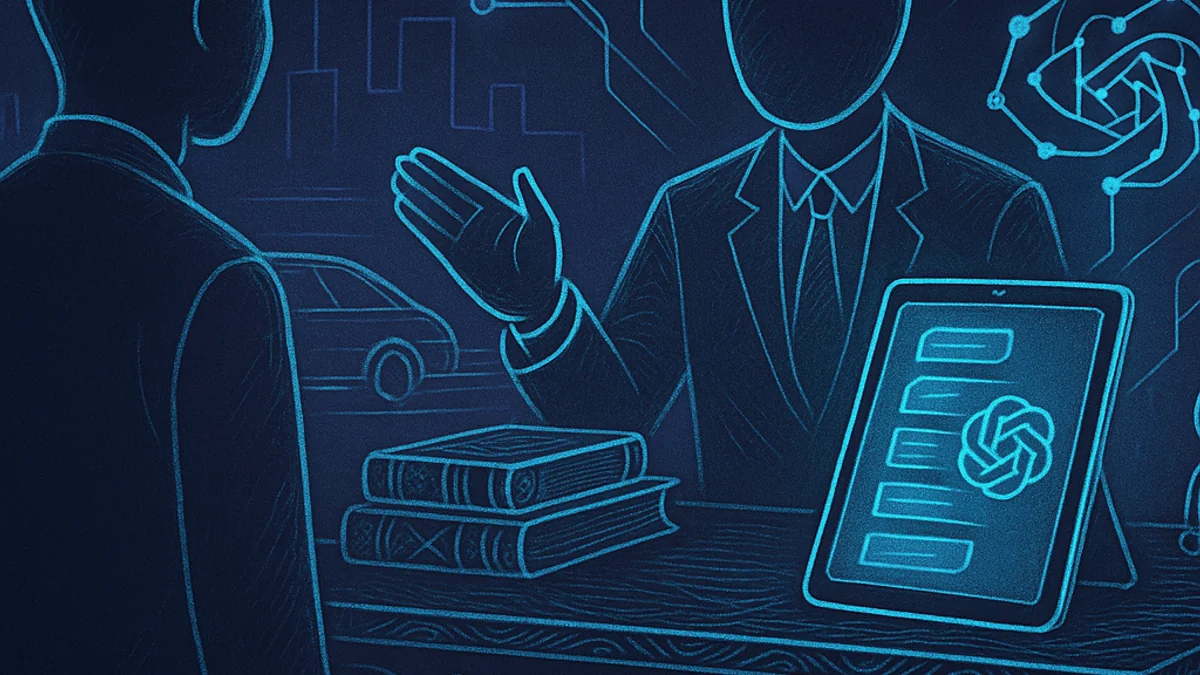
My lawyer told me to use ChatGPT instead of paying him. A colleague said the same about his accountant. The cleanest signal for which professions get compressed isn't the headcount data — it's when the practitioner himself tells you he's optional.
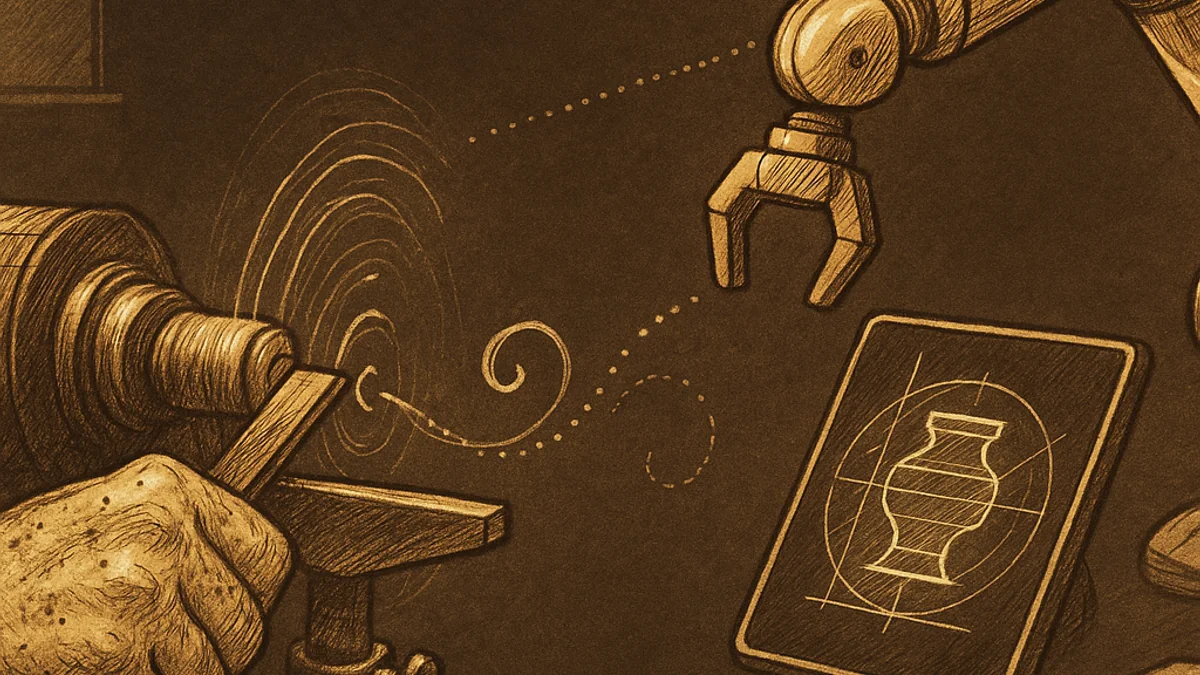
I pasted a two-paragraph plan into a terminal and walked away for two days. The strategy package that came back was good. Then I asked Claude to do it again from a template, without me in the feedback loop. The template version landed at 70-80% of the quality in 10-15x less time. The gap — and the loop that closed it — has a name from another century.

I sent Adam Bender's Google I/O talk to Claude with a note calling it the most insightful take I'd heard on AI and our industry, and asked for a LinkedIn caption. The draft came back confessing things about my work that weren't true. The story of why is the same story Bender is telling on a Google I/O stage.

I keep a drawer full of side projects I'll never ship. I used to tell myself they were portfolio, optionality, businesses in waiting. I don't believe that story anymore — and I don't think most of the people telling it believe it either.
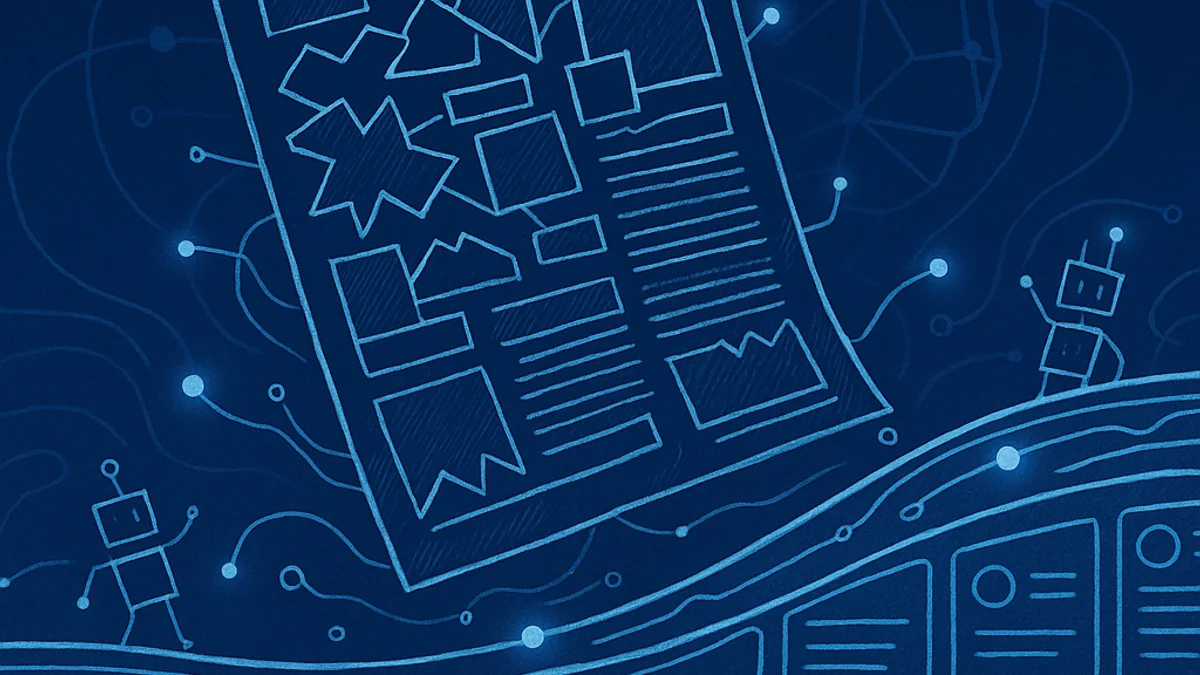
Every creative medium that got cheap hit this moment. Art, music, publishing — all flooded, all eventually rescued by a curation layer that scaled up to match the garbage. Software is in the flood now. Curation isn't going to save it, and I don't think we've noticed the reason yet.
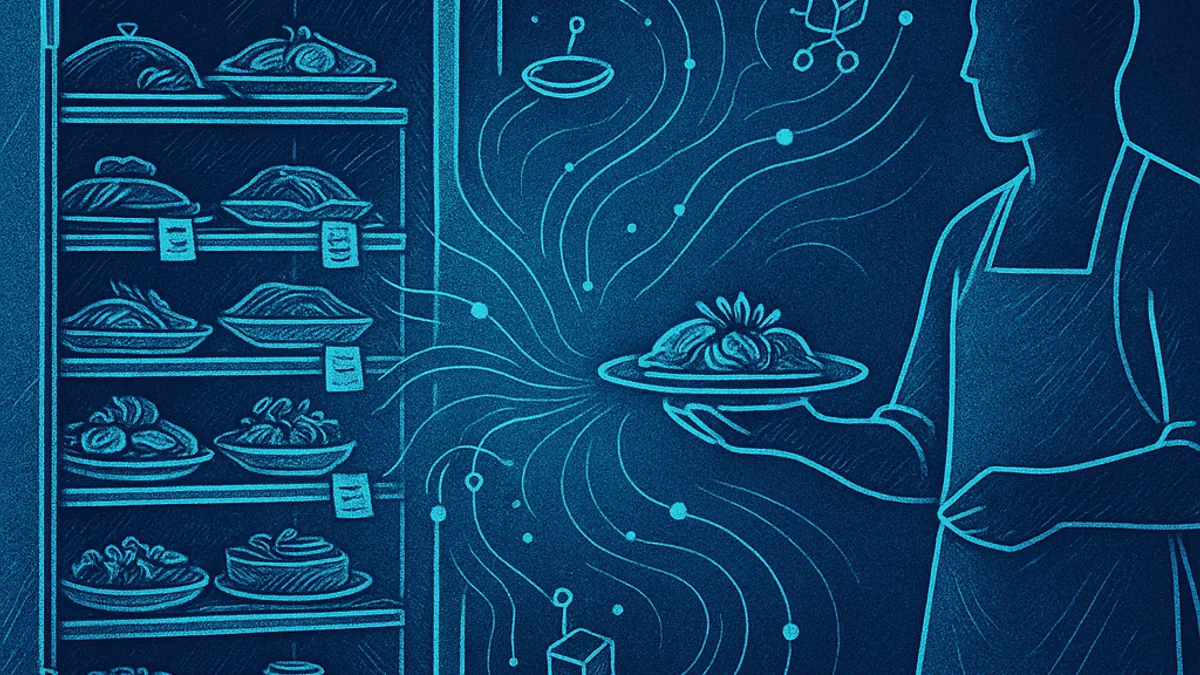
I ship an end-to-end project most Saturdays and put it in a drawer I never reopen. So does everyone I know. The walk-in is full — not with abundance, but with relocated scarcity. What looked like software culture was partly muscle memory, an involuntary reflex held up by cost, and it's atrophying now that nothing fires it.
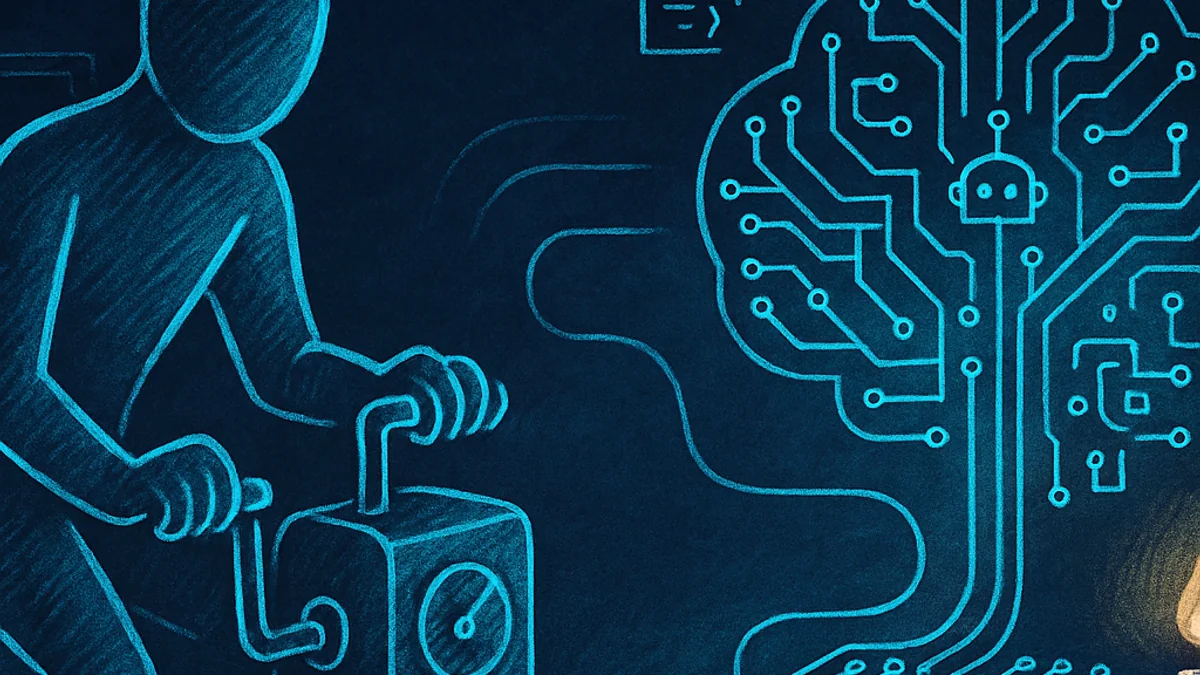
AI stopped being a tool the moment I couldn't work without it. That's not adoption — that's dependency. And dependency without understanding is just a blackout waiting to happen.
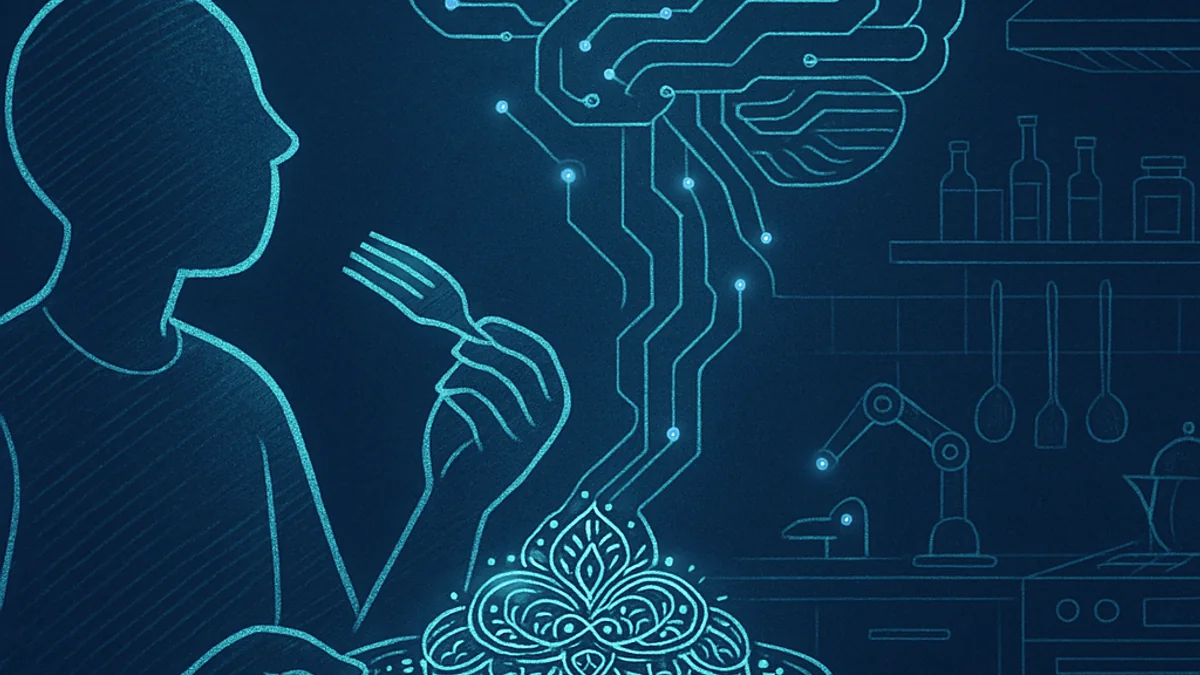
AI gave everyone a professional kitchen. But MasterChef didn't make chefs by handing out equipment — it made them by designing challenges that exposed who could actually cook. Digital product development is missing the challenges.
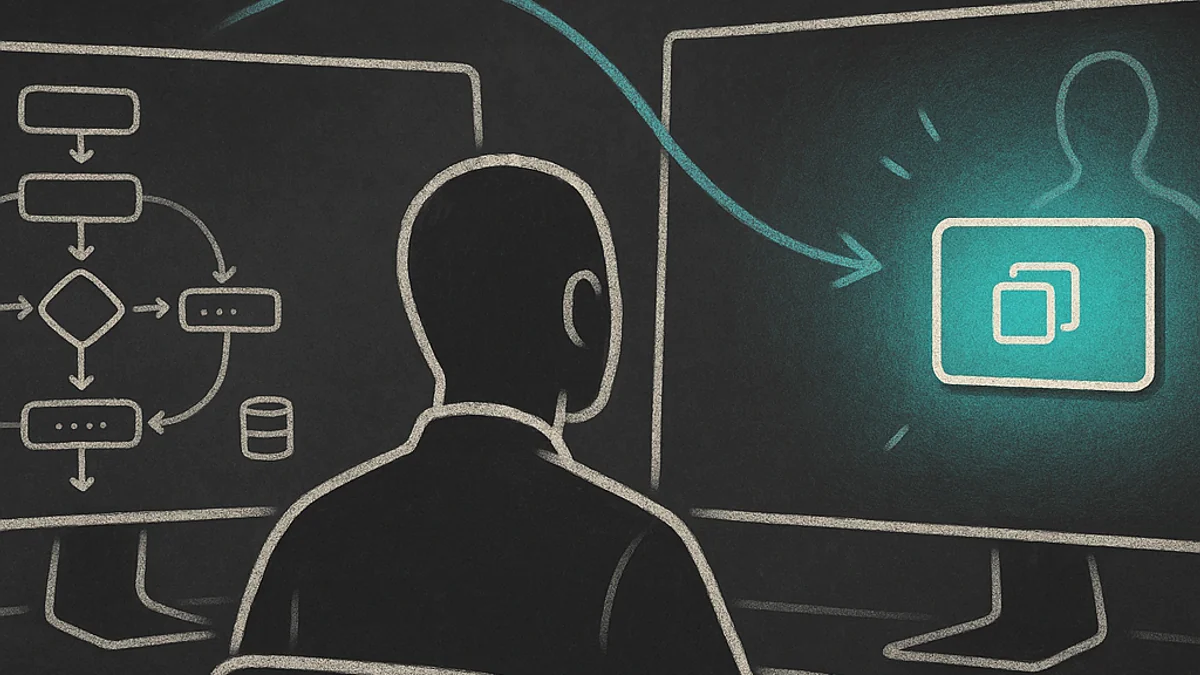
Supabase added a 'Copy prompt' button that bypasses their entire setup guide. It's a small UI change that reveals a big design shift — and it pushed me from 'context engineering' to 'probability engineering' as the real frame for agent-native tooling.
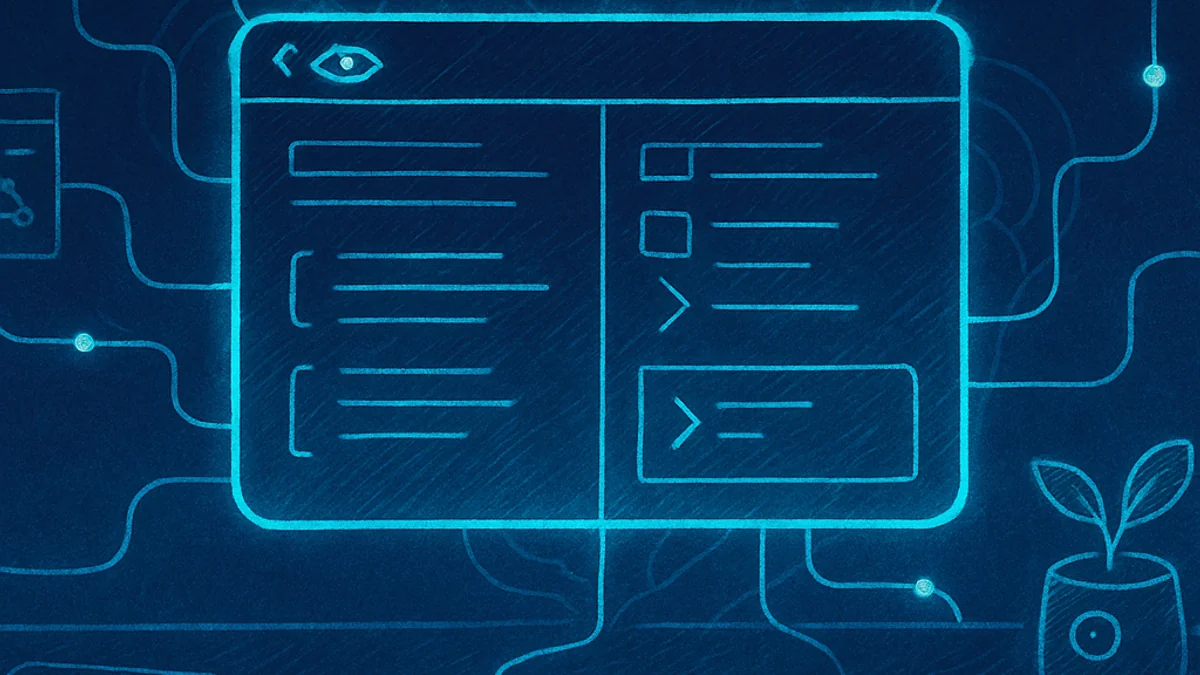
The practical companion to 'What 223 Sessions Taught Me.' How to set up CLAUDE.md files, the memory system, custom skills, project-scoped conversations, and the infrastructure that makes AI-assisted development actually sustainable.
I pulled 30 days of Claude Code session data — 223 sessions, 38,000+ prompts, 32 projects, 1.2 GB of conversation. The numbers tell a story about what AI-native development actually looks like when nobody's watching.
I pointed an AI agent at a product initiative and didn't write a single line of code or a single word of copy. Two days later: 11 prototype pages, 4 strategic documents, cross-industry research with 30+ citations. And a trust problem I still can't solve.
Every productivity wave in software history expanded demand for developers instead of shrinking it. AI should follow the same pattern. Unless the thing it produces is just good enough to ship and just bad enough to compound.
Someone made the argument that most developers were never really engineering — they were sourcing solutions from Stack Overflow and Reddit, and AI just swaps the supplier. It's an uncomfortable take. It's also not entirely wrong.

Maybe the highest-value skill in the AI era isn't making or judging. It's matching — knowing what's right for this moment, this audience, this context.
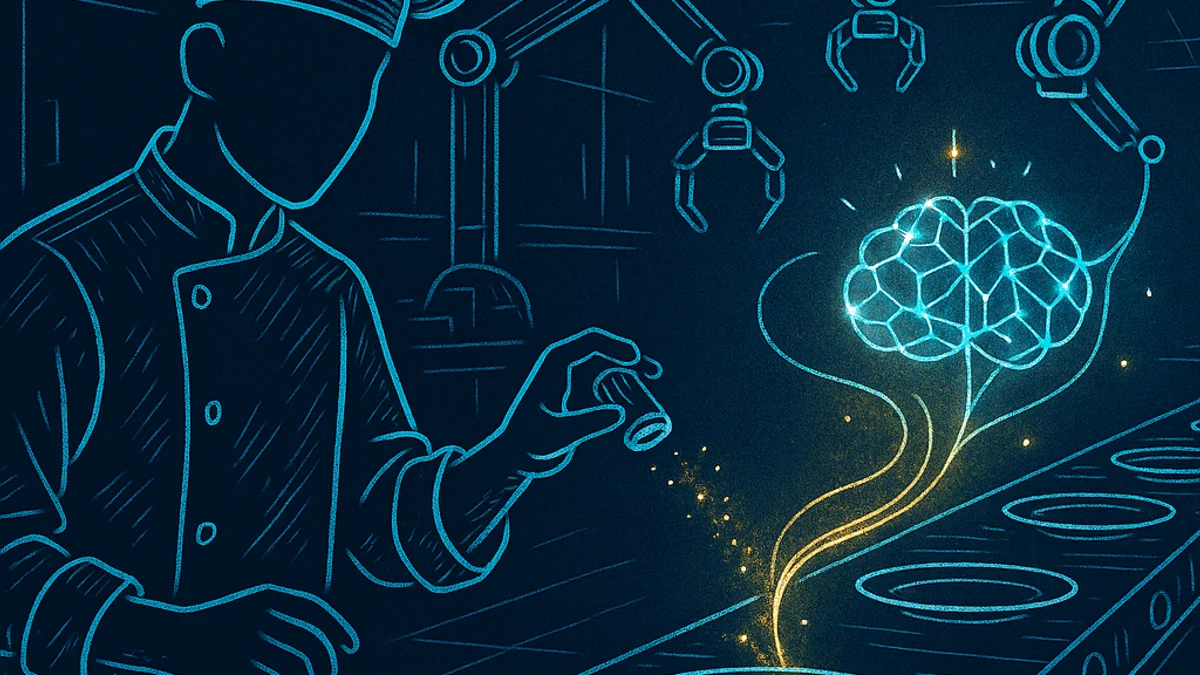
AI can produce endlessly. But it can't tell you what's good. That gap — between generation and judgment — might be the only thing that matters now.
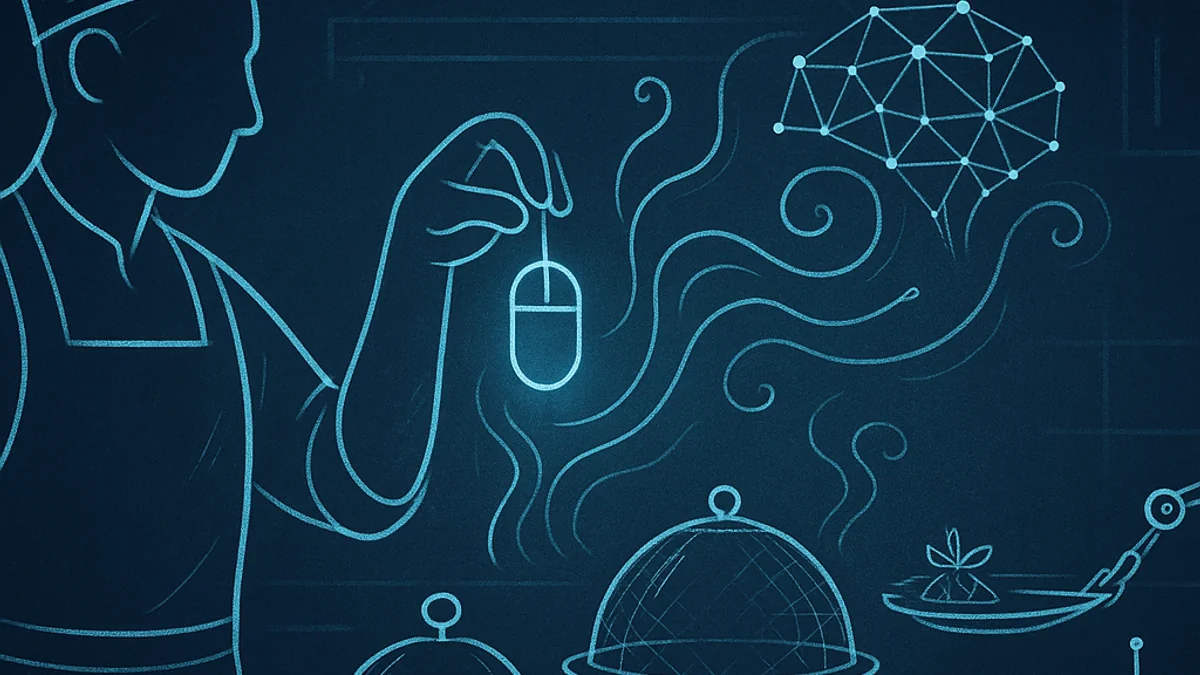
We keep reaching for craft metaphors — chef, artisan, architect — because 'person who types instructions' doesn't feel like enough. Why?
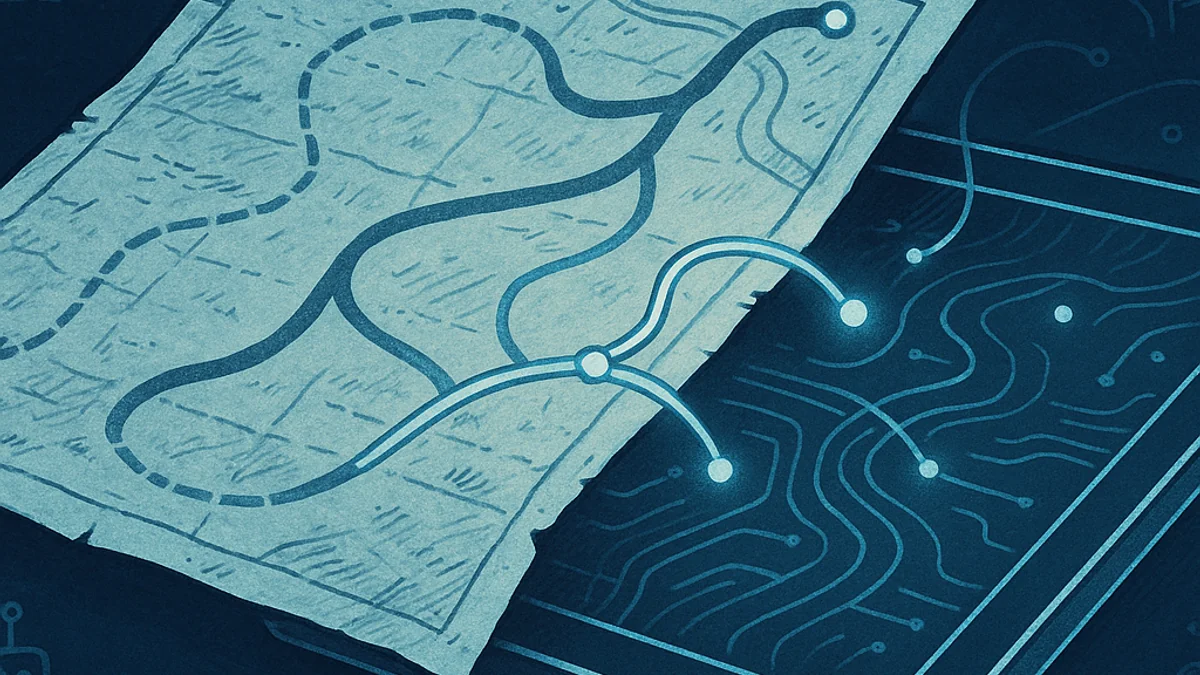
I published a prediction deck about the agentic web last September. Six months later, some of it looks prescient, some of it looks naive, and the most important developments weren't in the deck at all.
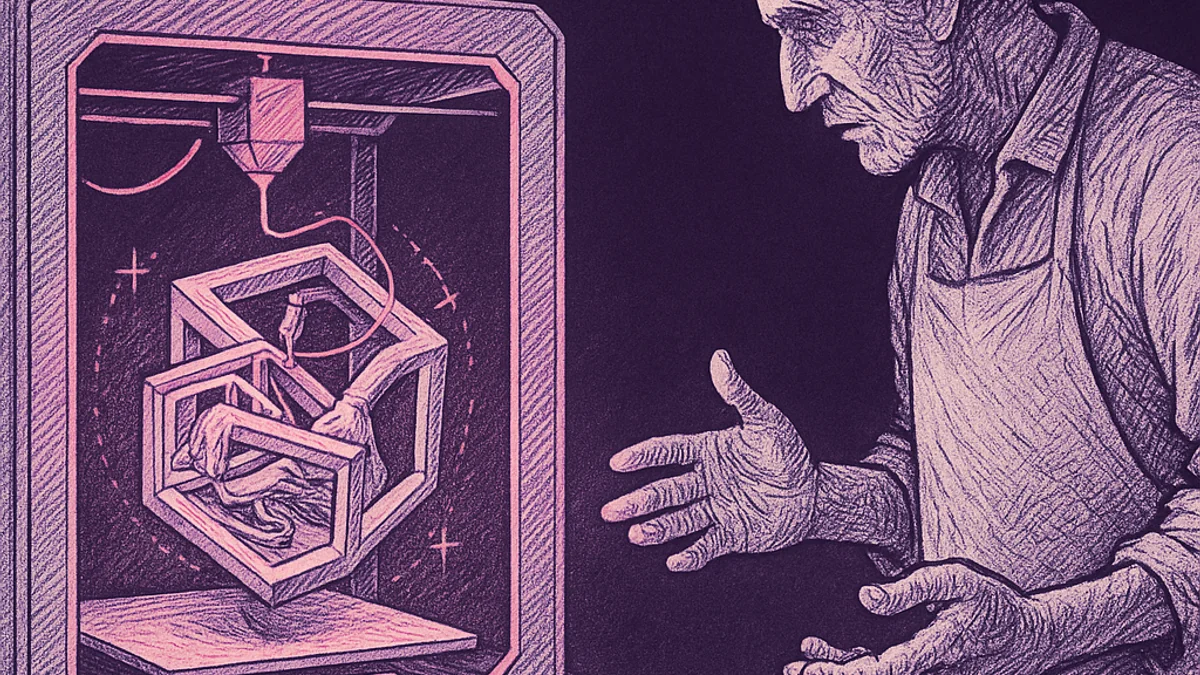
One morning, three AI agents, and a year's worth of thinking compressed into a few hours. The result was exhilarating — and it surfaced a question I can't answer.
If you take away the LLM, could I still do this? The answer is complicated — and the complication is the point.
I asked Gemini to tear apart my own thesis. Some of the hits landed. Here's what I'm keeping, what I'm revising, and what I hadn't considered.
Every major infrastructure technology goes through a phase where we carefully ration usage. AI is there now. The question is which of today's anxieties are transitional—and which become permanent disciplines.
From wide-eyed optimism to 'the AI is gaslighting me with kindness.' A field guide to the emotional journey every AI adopter takes—and the sycophancy trap waiting at every stage.
I wrote a voice guide to help AI match my writing style. It worked too well—the AI learned the example phrases, not the principles behind them. Here's how I fixed it, and what it taught me about the difference between describing a voice and understanding one.
Building with AI in public looks a lot like fitness content. I'm not sure how I feel about that.
How many ideas die in the space between waking and coffee? Vercel's Agent Skills announcement made me think about what changes when engineering judgment becomes installable—and who gets to build things when the execution gap narrows.
I've spent six months proving that one person with AI agents can build what used to require a team. Now I'm joining Commerce.com to find out if that methodology survives contact with an organization.
I wrote about simulation replacing apprenticeship. Then I stress-tested the idea. The technical case still holds—but I was wrong about what matters most.
The consulting industry's apprenticeship model was never really about the work—it was about proximity to mastery. When AI handles the grind, how does anyone learn to become a partner? The answer is reshaping the entire profession.
We're not short on people who can chat with a bot. We're starved for people who can deconstruct a business process into atomic units an AI can actually execute. That gap has a name now.
College students aren't just using AI chatbots anymore. They're building automation systems, running local LLMs, and treating software engineering as a just-in-time capability. The 'Chat Terminal' era is over.
When will I be able to type natural language in my terminal and have the OS just understand? The answer is 2026—but not in the way you might expect.
Consulting has played this game twice before—with body shops, then offshore. Now AI is the new lever. But what if the pattern itself is the problem?
Wade Foster doesn't send memos about AI. He runs hackathons and show-and-tells. That distinction matters more than most CEOs realize—and it's the same thing I've been telling my own teams.

In the 1950s, engineers resisted compilers because they feared losing control. Now we're hitting that same phase transition—except the 'assembly' we're abstracting away is Python itself.
I don't need more Salesmen. I need a Sushi Master, a Pitmaster, and a Molecular Gastronomist. AI lets us return to the Guild—craftspeople in their own lanes, augmenting their own mastery.
An LLM is the ultimate observer. Like the angels in City of Angels, it watches everything. But it cannot taste. That's both a gap and an opportunity.
What if the billable hour isn't a business model—it's a coping mechanism? A way to avoid confronting that the thing we're selling might not be scarce anymore.
I've been the bridge. Between strategy and code, between design and delivery. It's exhausting. And lately I've been wondering if exhausting is the same thing as valuable.

Everyone spent 2024-2025 experimenting with AI features. Q1 2026 is when the survivors figure out what actually works—and kill what doesn't.
Every e-commerce platform is racing to add AI features. But what if the real opportunity isn't AI features—it's AI architecture? What if the store itself could generate in real-time?
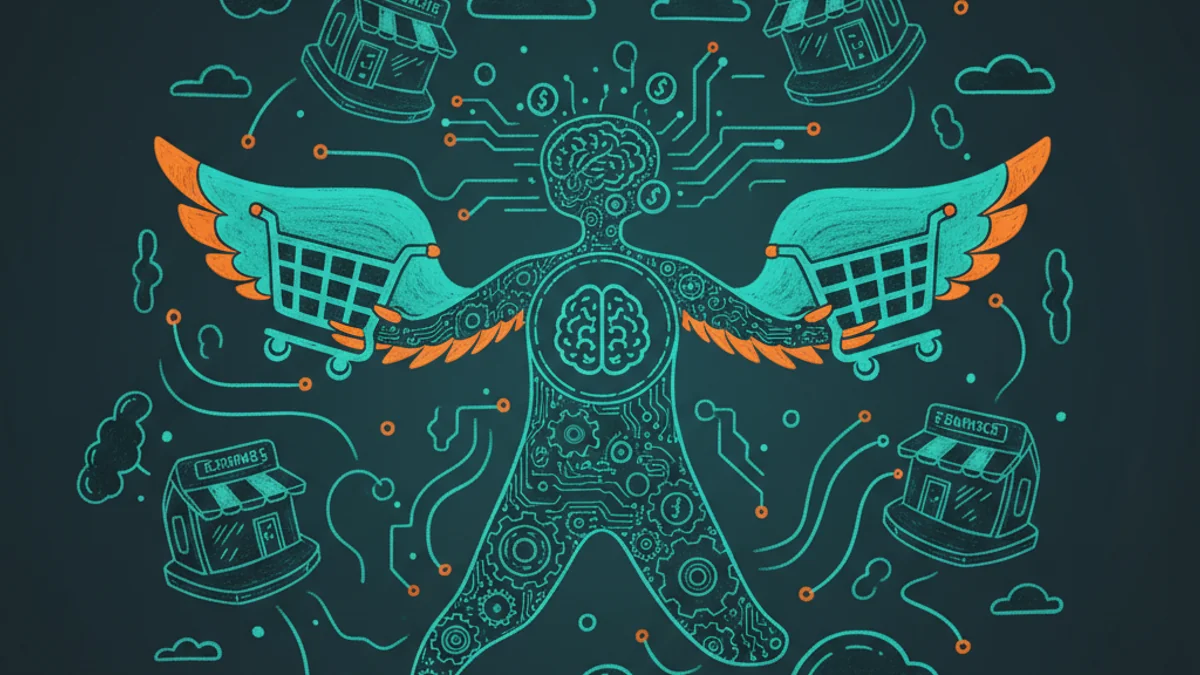
I just finished writing a whitepaper on agentic commerce. It's solid work. But something started bothering me. There's a version of this future that looks less like 'shopping gets easier' and more like 'retail becomes a trading floor.'
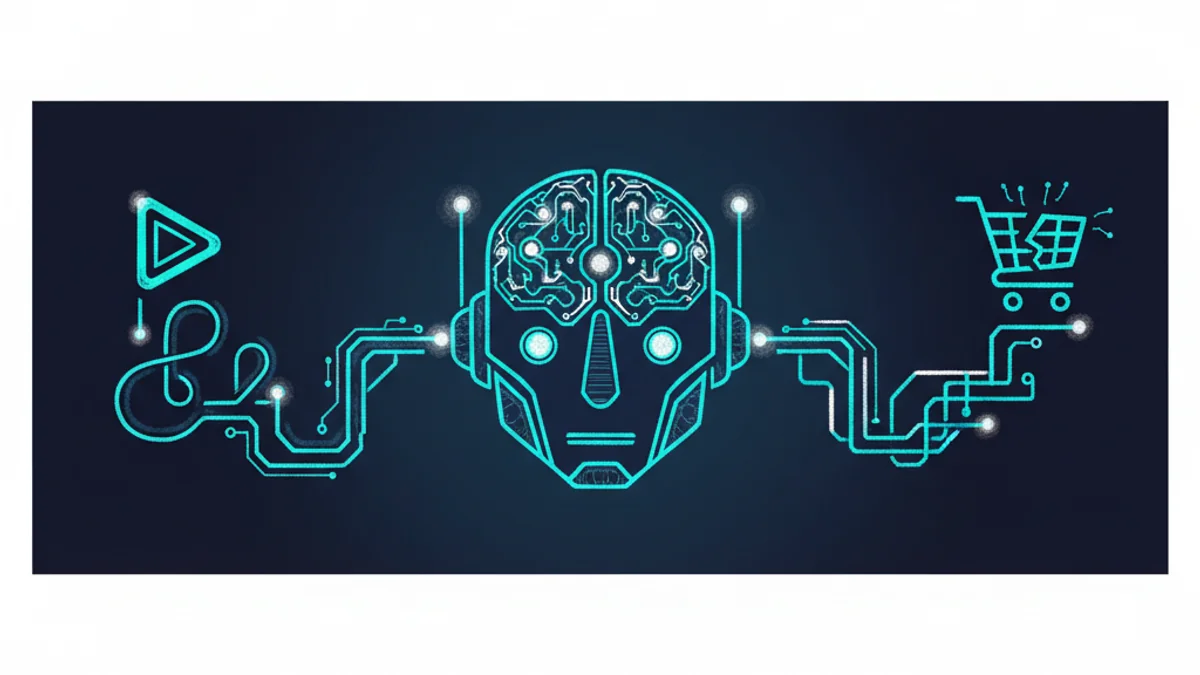
Spotify knows what song you want to hear next. Netflix queues up your next binge. But your favorite retailer? Still making you filter by Men > Shirts > Size L. After 15 years of personalization promises, why doesn't shopping work like streaming?
Ive been wrestling with a question that won't let go: who's more valuable, me using the LLM or the people building it? After days of thinking, I realized I've been asking the wrong question entirely.
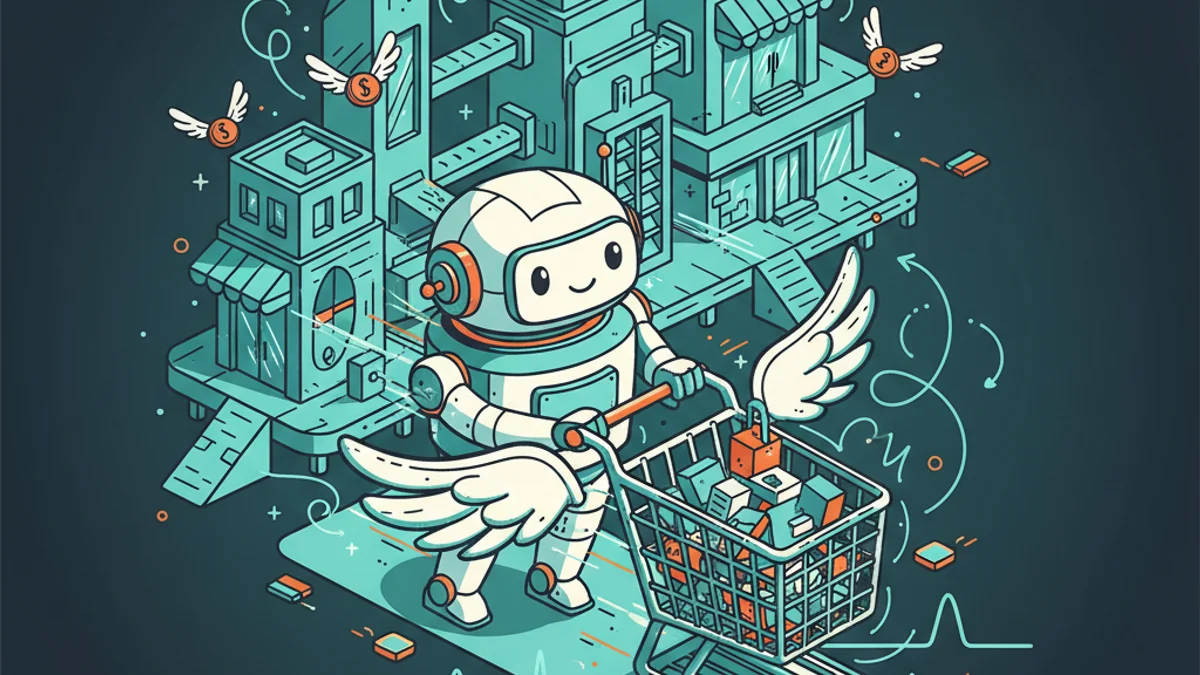
Agentic shopping doesn't change why we buy. It radically changes the cost of discovery and the precision of the pitch. The game is the same. The speed of the players has changed everything.
I'm not observing from the sidelines. I'm running these experiments in real time. Here's what's actually happening—and what I'm doing about it.
If both bubble and build-out are real, what do you actually do? Here's what I'm seeing work—and what's failing—across different roles.
I've spent months arguing AI isn't a bubble—it's infrastructure. Then smart money started betting against it. Both can be true. Here's what I'm figuring out.
Hank Green says the AI industry is a bubble. I think we're looking at it wrong—what if AI isn't a product at all, but a foundational technology like electricity?
I built a $2.5M platform in 80 hours using GenAI tools. Heres what the numbers actually say about productivity, cost, and what happens when you stop pretending software takes as long as it used to.
If AI does all the junior work, where do the senior engineers come from? I used to see this as a pipeline problem. Now I'm wondering if we're not even using a ladder anymore.
Instructions arent enough. To make agentic workflows reliable, I had to build a meta-agent to police my coding agents. Welcome to the unglamorous world of AI Ops.
Blog posts claim LLMs struggle with Svelte 5.' Our evidence? Two production apps, 69 components, and Agent-OS v3.0.0 optimized for Svelte. The data doesn't match the narrative.
My feed is saturated with agentic software.' The promise is magic: autonomous agents executing complex, multi-step plans. But let's cut the hype. This isn't magic.
The constant role-switching isnt a strength—it's a source of profound inefficiency. AI changes the model.
The gap between slick slide decks and the messy reality of building something that actually works is wider than most people realize.
The shift from prompting to architecting—and why more powerful models demand a different kind of input.
The shift isnt about learning to use AI—it's about learning to build for AI. That distinction changes everything.
Clean specs, small tasks, a unified preamble, and ruthless guardrails. The model mattered less than the system.
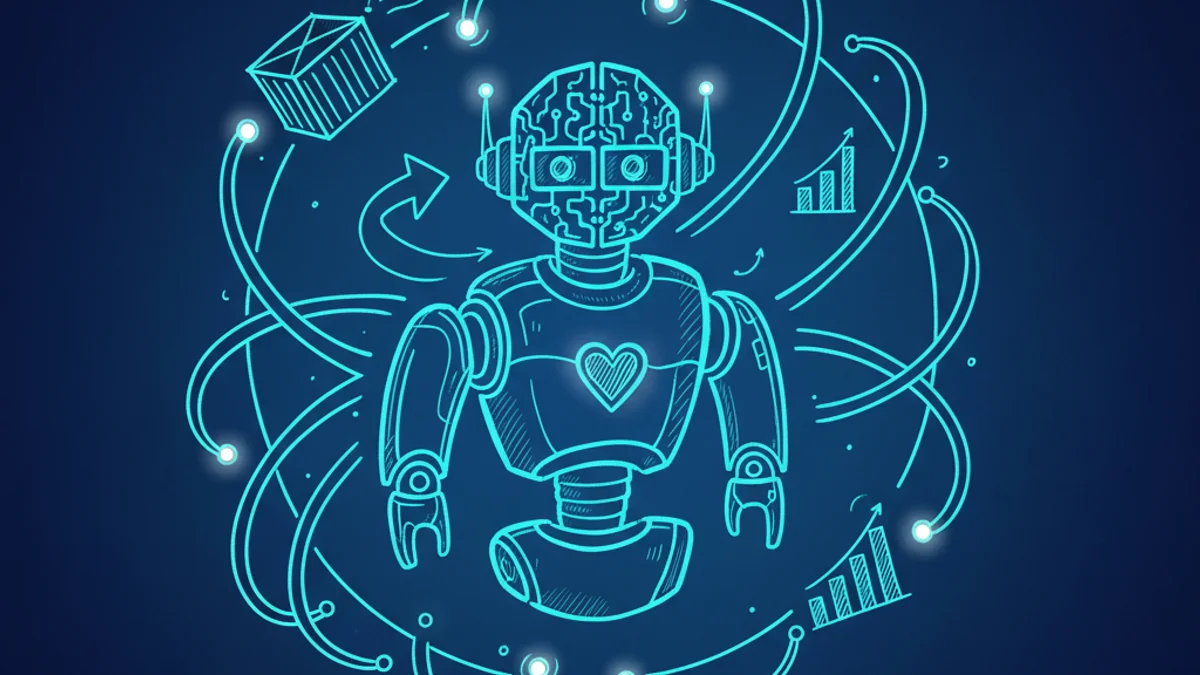
Shipping means a real object changed in a real system. There is a link, an owner, a date, and a small metric that moved.
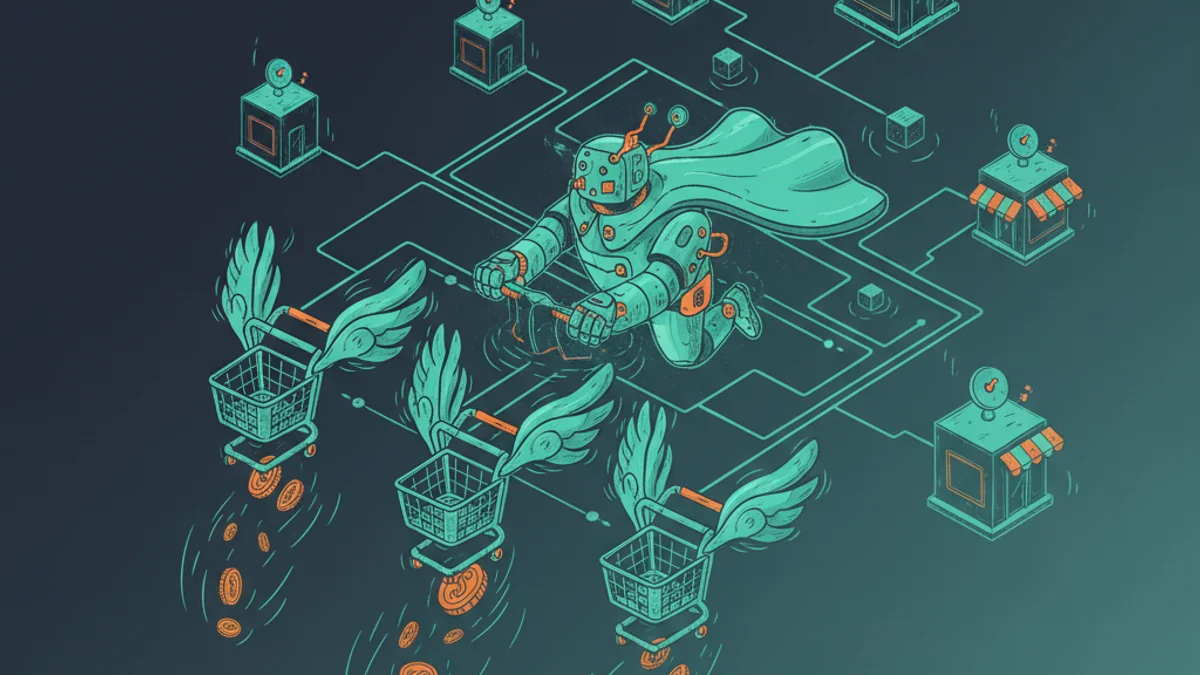
Everyone is busy selling shovels. But the mine moved. Agents now sell on surfaces brands do not own. The win is not a better shovel. It is eyes and throttle on those agents: traces, attribution, consent, limits.
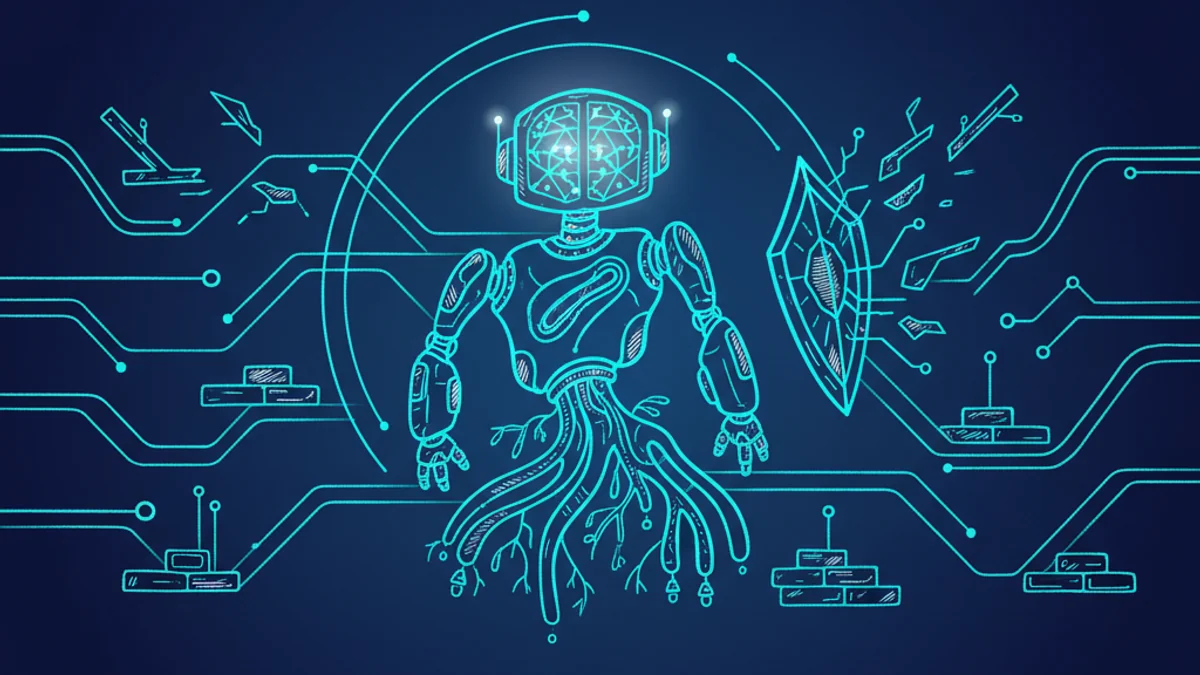
You can rush with straw or sticks, but the only way to survive the wolf of drift and fragility is to build with bricks.
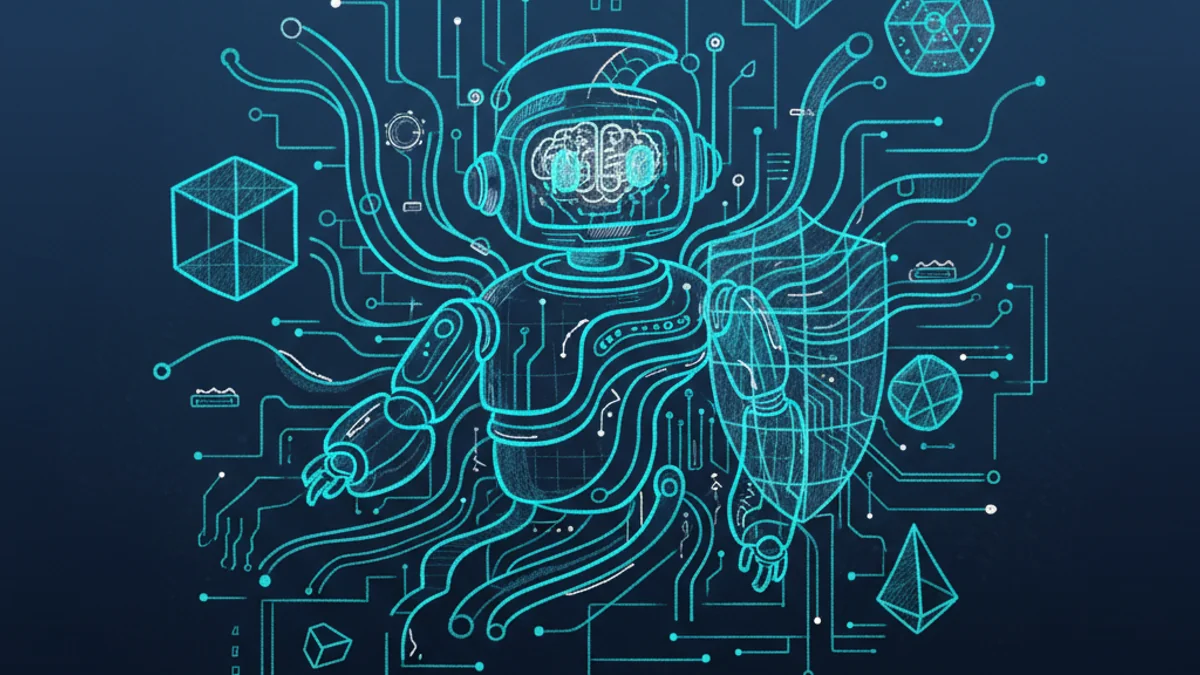
Were in an AI development gold rush. The same historical pattern applies: unregulated innovation, followed by standards that make outputs safe and repeatable.
Something broke, and instead of debugging the code, I asked the system why it hadnt caught the problem itself.
The absentee software engineer.

Meta-Companion to "Living The Gap"

A simple bulk upload broke — 22 teams skipped, 0 created. The fix seemed easy. AI suggested patching the frontend. But that would’ve locked in a broken contract. Here's how we slowed down, re-architected the system, and avoided weeks of silent tech debt and wasted tokens.
I burned through $400 of Lovable credits and $400 of Kilo tokens. Then I burned the app to the ground.
After sprinting through two weeks of AI-coded progress—and crashing into drift, chaos, and broken trust—I reset everything. This is the story of slowing down, building real structure, and defining a repeatable AI‑Ops workflow. From vibe coding to teardown, here’s what I learned.
The past two weeks of AI engineering forced a shift I didnt expect—away from writing code and toward describing systems semantically.
I still dont really know what JSX is. But if I'm asking AI the right questions, does it matter? Is this really different from architecting systems based on principles and relying on an engineering staff to understand the nuances?
Most React apps are JSX-first. Mine isnt. That wasn't a bold opinion—it's just where I ended up after building a real system using AI as my primary coding partner.
I built a production-grade React app—and still don’t fully understand JSX. In the AI-assisted era, syntax mastery matters less than system design. You’re not the coder anymore. You’re the architect. The real skill? Knowing what to ask, how to judge, and when the output doesn’t fit.
I use AI to code, test, document, and enforce rules. But I dont trust autonomous agents to plan and execute on their own.
What My Stack Audit Revealed About Modern Dev
The realization: AI needs the same structured context that humans need to start work safely.
Week 2 of AI-assisted coding brought velocity — but also drift. This post explores the moment I realized I was managing AI agents like a team, and what that means for the future of software consulting.
A styling bug taught me the difference between docs-as-code and docs-as-contracts—and why AI development demands the latter.
Can you skip the API and wire ChatGPT directly into VS Code? Turns out, yes — with a little browser magic. This post breaks down how I thought about building a local-first bridge that replaces Kilo and avoids token costs, all powered by curiosity and a builder’s mindset.
Testing was my bottleneck. So I built a framework where AI writes, runs, and validates the tests.
Or: What happens when AI stops just helping you code — and starts holding your system accountable
How AI coding tools helped me beat the overhead wall — and build faster than I think.
Just like cloud killed the server rack, AI is killing fixed tools. I built a full E2E test system from scratch—faster, cheaper, tailored—using nothing but schema, rules, and AI prompts. Why buy tools when you can generate them just-in-time?
Building a sandboxed demo environment taught me that onboarding isnt just UX—it's architecture.
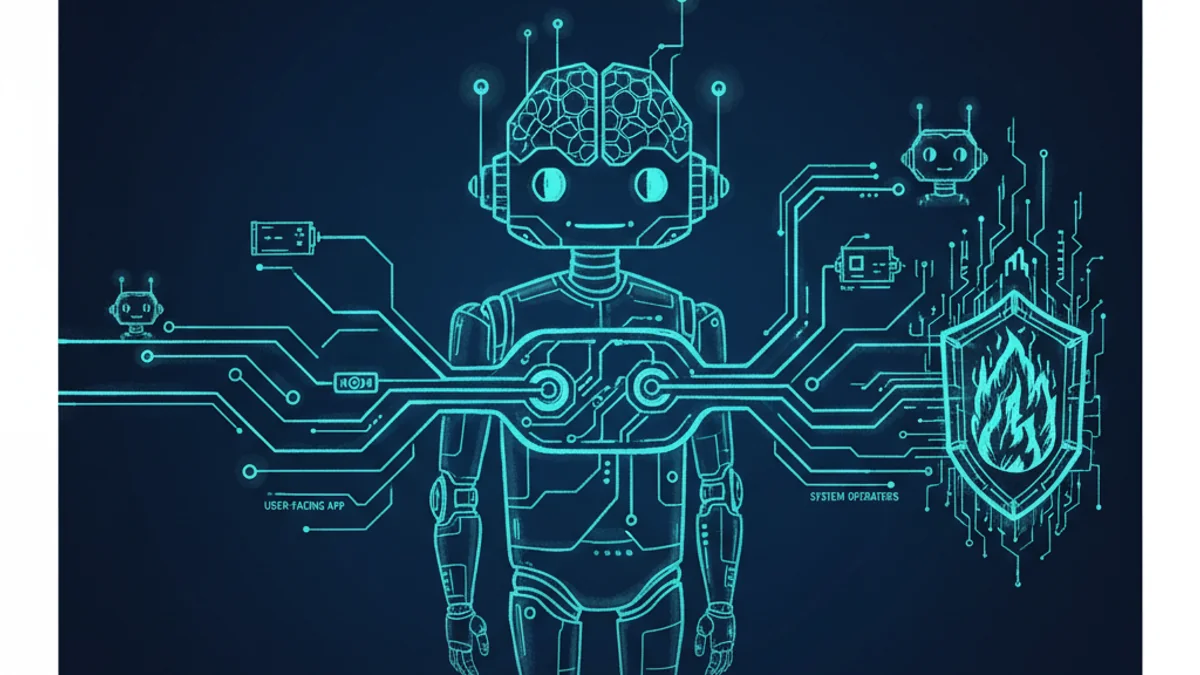
Sometimes the feature isnt for the user. It's for the system operators—the ones who have to keep the app online when the fire starts.
Theres a strange kind of bottleneck that only shows up after you've gotten fast. The only real blocker left is waiting for a model to finish one thing before starting the next.
After a few bugs slipped past my AI assistant, I redesigned the system to make safeguards automatic.
A dropdown bug became a lesson in building automated guardrails that prevent architectural drift—especially when AI is generating your components.
This post is about that realization. About what happens when AI becomes the default reviewer, and starts learning from its own reflections. We’re not just debugging code anymore. We’re debugging the system that teaches itself how to review.
The key wasnt using AI to write code—it was creating a system to govern AI's behavior, output, and role in the development process.
With AI development, waste isn’t hidden in team velocity or burndown charts — it’s itemized on your invoice. That’s not a flaw. It’s a feature.
AI isn’t just accelerating software development — it’s reorganizing it. This post unpacks what changes when you start designing teams, tools, and processes around a human–AI hybrid model. Planning shifts. Costs shift. Roles shift. The real question is: are we ready to shift with it?
Documentation can be more than a reference—it can be a knowledge layer that both humans and AI agents use to build.
I started building with AI out of fear of being left behind. What I ended up with was a repeatable system for AI-driven development.
I didn’t start with a strategy. I started with fear. Here’s how a grassroots volleyball app turned into my personal AI bootcamp—and the repeatable framework I built along the way.
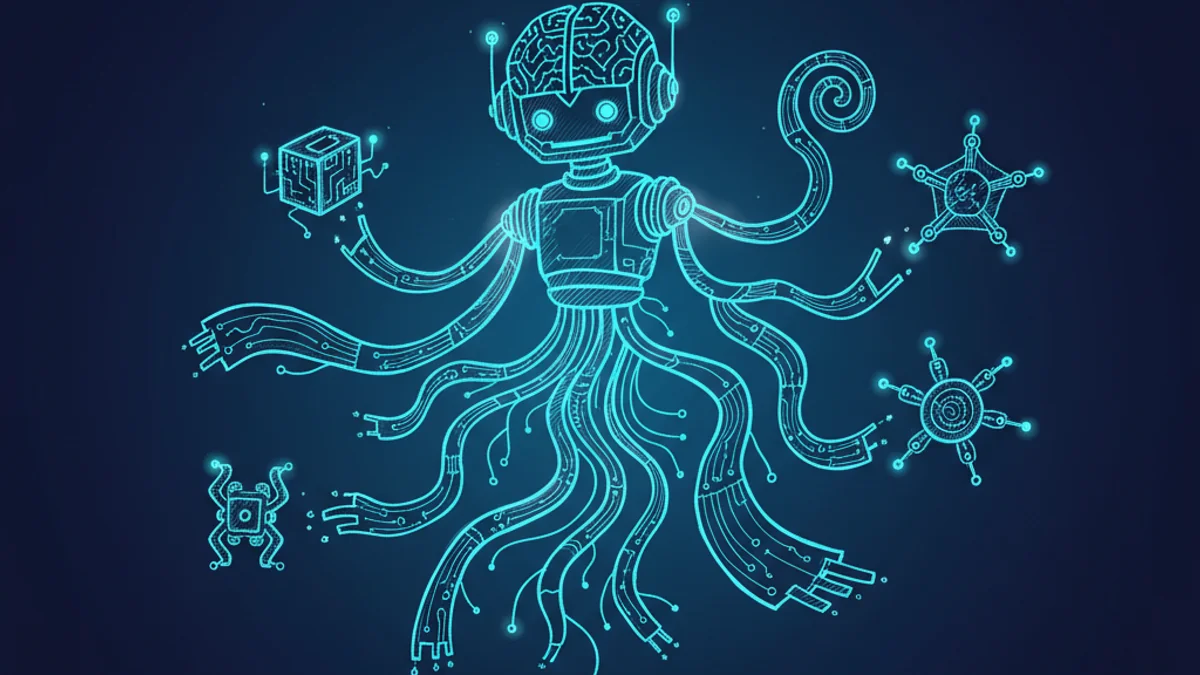
I didn’t set out to build an AI team. I just started with ChatGPT prompts for Lovable AI. Over time, it evolved into managing a layered squad of AI tools—architects, coders, and reviewers—working together like a real dev team. This changed how I work and lead AI-assisted projects.
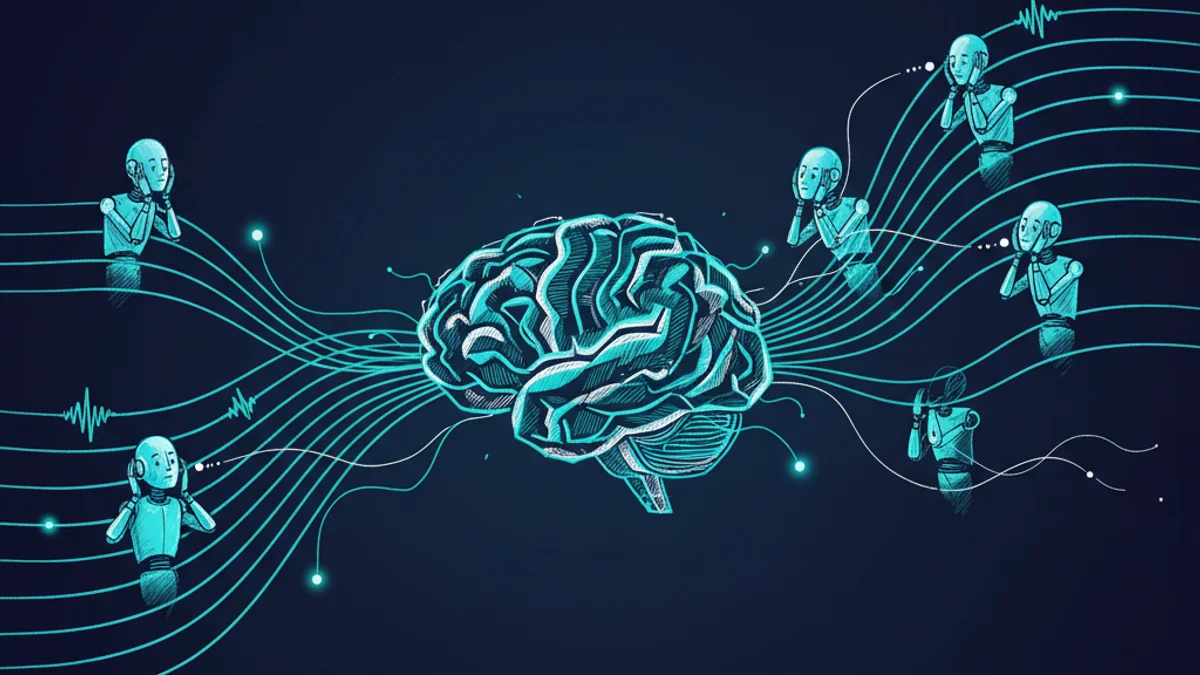
What happens when AI sharpens your mind, but drifts you further from those who don’t think that way? This post explores the private cost of clarity — and the quiet grief that comes from outgrowing the resolution your old relationships were built on.
The hidden cost of clarity in an AI-shaped mind
What AI Coding Tools Don’t Tell You About Building Real Software
This post wraps my “Help Me Help You” arc and opens a new question: If precision makes AI more effective, does it also increase human disconnection? I’ve felt the drift. The next thread I’m pulling on is: how to stay human inside all this structure.
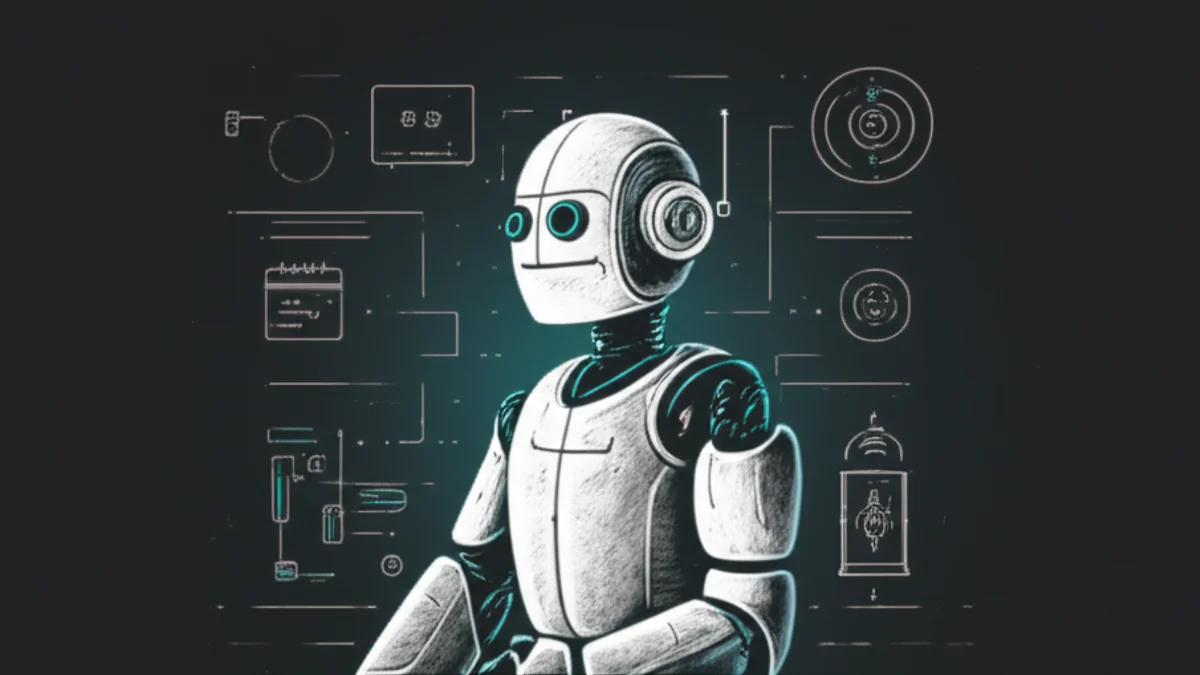
A behind-the-scenes look at how I use GPT and Lovable together. One rewrites the prompt. One generates the code. I just define the intent — and stay out of the way. This isn’t a tech stack. It’s a new mode of working.
Prompting is evolving into orchestration. One AI clarifies, another executes, a third checks the result. We’re entering an era where modular intelligence matters — and prompts become the interface between thinking systems.
Prompt rewriting isn’t just a clever trick — it’s becoming core infrastructure. From cloud tools to agent chains, we’re seeing a shift: one AI clarifies the ask, another executes. The result? Fewer errors. Smarter systems.
One AI helps another do its job better. I use GPT to rewrite prompts for Lovable — cutting errors, saving time, and revealing a deeper pattern: intent → refiner → executor. This isn’t just prompt cleanup. It’s the start of a new architecture.
Like most devs experimenting with AI tools, I’ve found myself juggling multiple platforms, APIs, and half-understood schemas to build things faster. Sometimes it works. Other times, it works against you.
AI credits vanished quickly, highlighting hidden costs and forcing clarity into my development process. Here's how a $50 investment turned into a practical blueprint for smarter AI‑assisted builds.
Dropped phone, lost life. Same test applies to corporate AI: if your copilots vanished tomorrow, would work even slow down? The “Lost-Phone Test” exposes integration gaps and makes the case for a Chief Intelligence Officer to weave tools into real workflows.
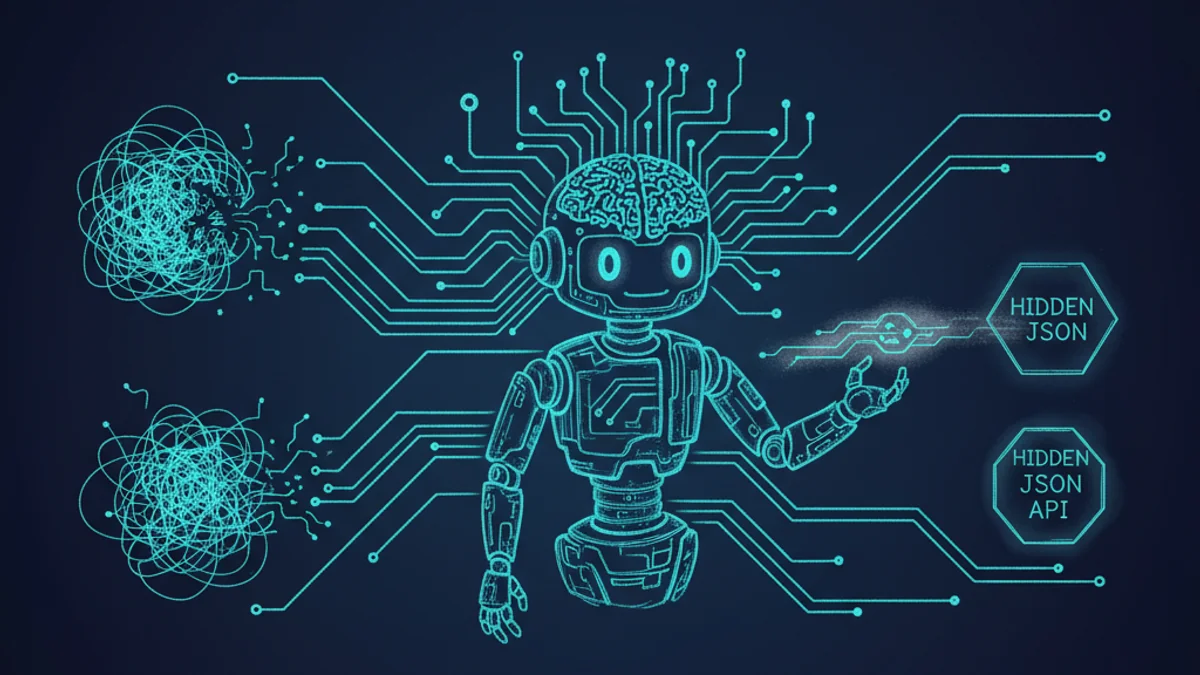
Burned-out coder to live app in one weekend: two failed scrapers, one hidden JSON API, and AI tools that scaffolded the rest. How DevTools + GPT turned AES volleyball data into an MVP—and why your next Jira ticket might build itself.
Most AI conversations start in the wrong place — with tools, not capabilities. What’s missing isn’t another pilot. It’s a new executive role: someone to steward how your organization thinks, learns, and evolves.
The Cost of Surviving the Age of Constant Upgrades
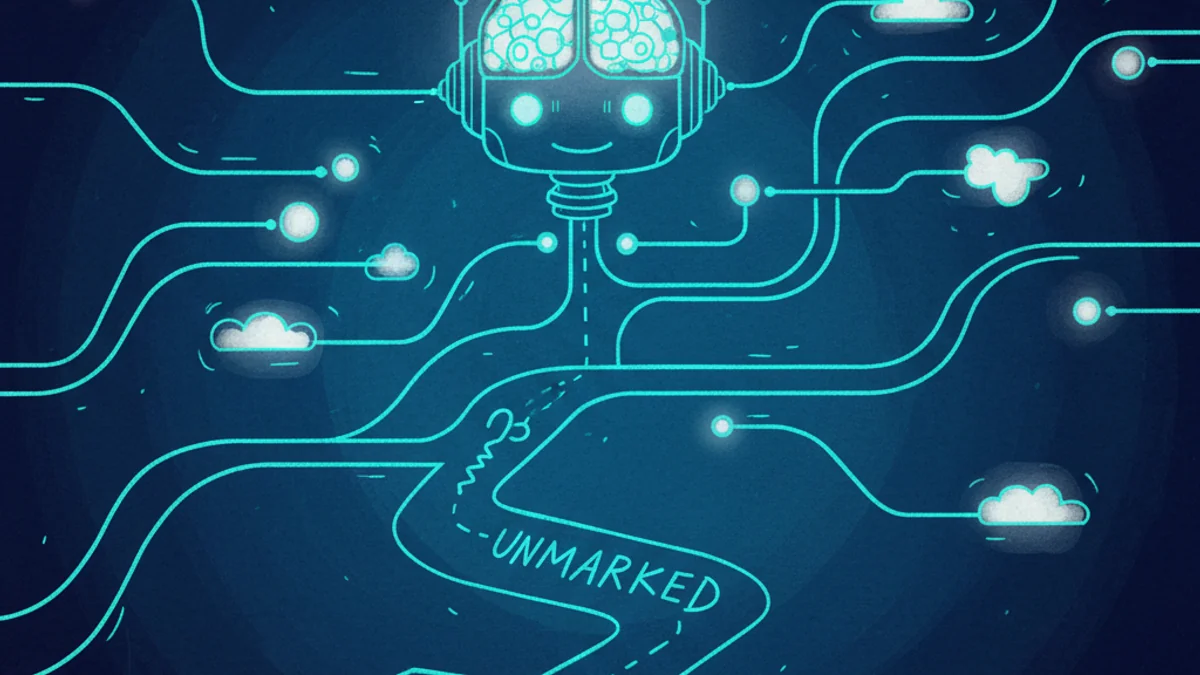
AI doesn’t fail because it’s bad — it fails because your data lacks the infrastructure it needs to navigate. Language models don’t just search — they interpret. Most orgs haven’t built for that.
LLMs can draft the menu, but you still have to taste the sauce. Here’s my field-note recipe for closing the fidelity gap between what ChatGPT writes and what actually works.
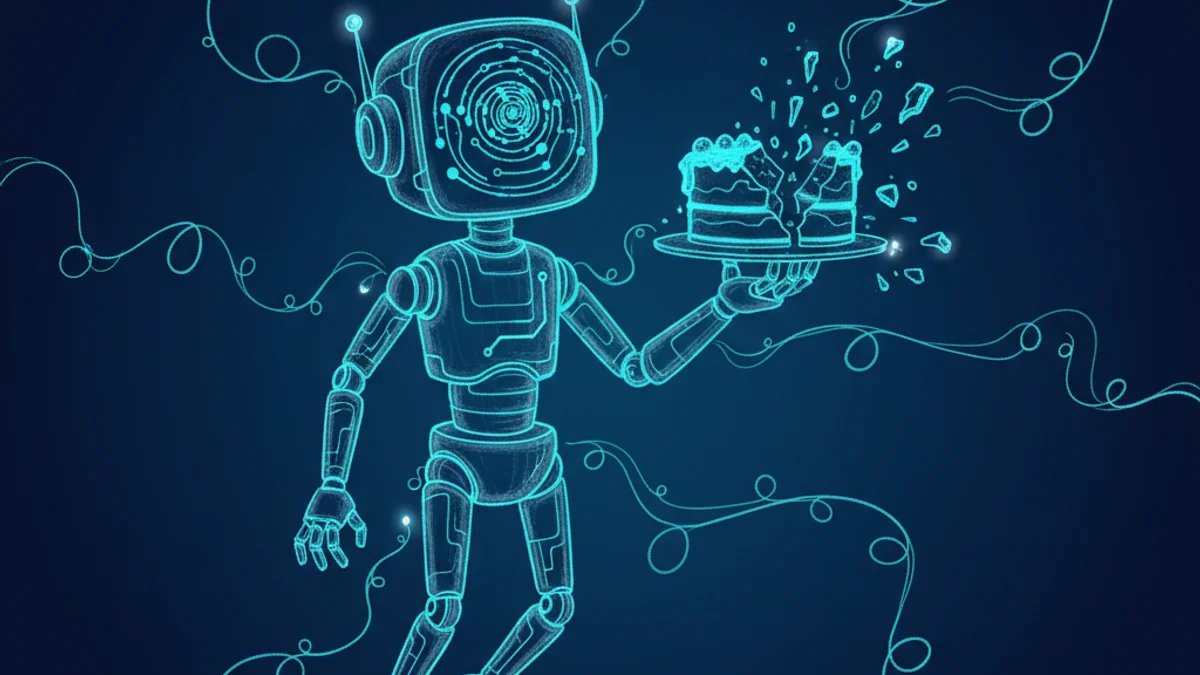
Everyone says AI can build for you — that you just describe the thing, and it ships itself. But I actually tried. I took it seriously. And what I found was brittle, inconsistent, and full of guesswork. If it took this much effort to build a landing page, what happens when the stakes are higher?
Signal Reflex is now Signal Dispatch — a shift from sensing to sending. Same voice, sharper intent. This is where ideas go out.

(How to Keep Moving Without Losing Yourself)
If humans are the loom, AI is the thread—fast, abundant, and increasingly tangled.
I didn’t need to build the site from scratch. That was the point.
Your content is the storefront. If it’s not reducing friction or moving someone closer to a decision, it’s not connected to commerce at all.
I built the core Let’s Pepper site in under 2 hours—then spent over 8 trying to get one visual detail (the section dividers) to look right. AI can prototype, but it doesn’t ship. This post breaks down why the real work happens after the first draft, and why experience still matters more than ever.

Once I know someone’s worth investing in, I shift gears. Here’s how I coach without taking the wheel—and why presence matters more than pressure.

Hiring the right consultant isn’t about checking boxes. It’s about building the kind of process that makes the right people show up—and lets the wrong ones opt out early.
We made websites easier to build by hiding the code. But now that AI can write that code for us, the abstraction layers are becoming the new friction.
I don’t chase tools anymore. If it fights my instincts or adds ceremony, I’m out. If it sharpens my clarity, it stays. That’s the filter.
My AI workflow isn’t about speed—it’s about clarity. Here’s how I use LLMs to shape messy ideas and reduce drag when I need to think straight.
I didn’t use AI to go faster—I used it to catch up with myself. This blog is where that journey turned into something useful and real.
This wasn’t meant to be a thought leadership series. It started as a phone call—and a question: Where does AI actually help, right now, for real? I’m Not Hyping AI. I’m Just Using It.
Post 4 of 4 in the Grid-Level Thinking series—why using AI for real work has changed how I design systems, think about leverage, and clarify what actually matters.
Post 3 of 4 in the Grid-Level Thinking series—adopting AI isn’t the hard part. Redesigning your system around it is.
Post 2 of 4 in the Grid-Level Thinking series—access isn’t the differentiator anymore. Application is.
Post 1 of 4 in the Grid-Level Thinking series—what we miss when we treat AI like magic instead of infrastructure.
The junior dev role isn’t dying. It’s evolving. The job is no longer about churning out syntax—it’s about navigating ambiguity, thinking critically, and collaborating with AI. Here’s what still matters, and how to coach for it.
This blog isn’t a new habit—it’s just a new slice of my output. Here’s how I launched Signal Reflex in a week by treating it like any other creative drop: strategy, tools, publishing cadence, and what I learned by shipping.
I didn’t start writing to build an audience. I started because AI helped me get past the blank page. This is where I work through what matters—before it fades.