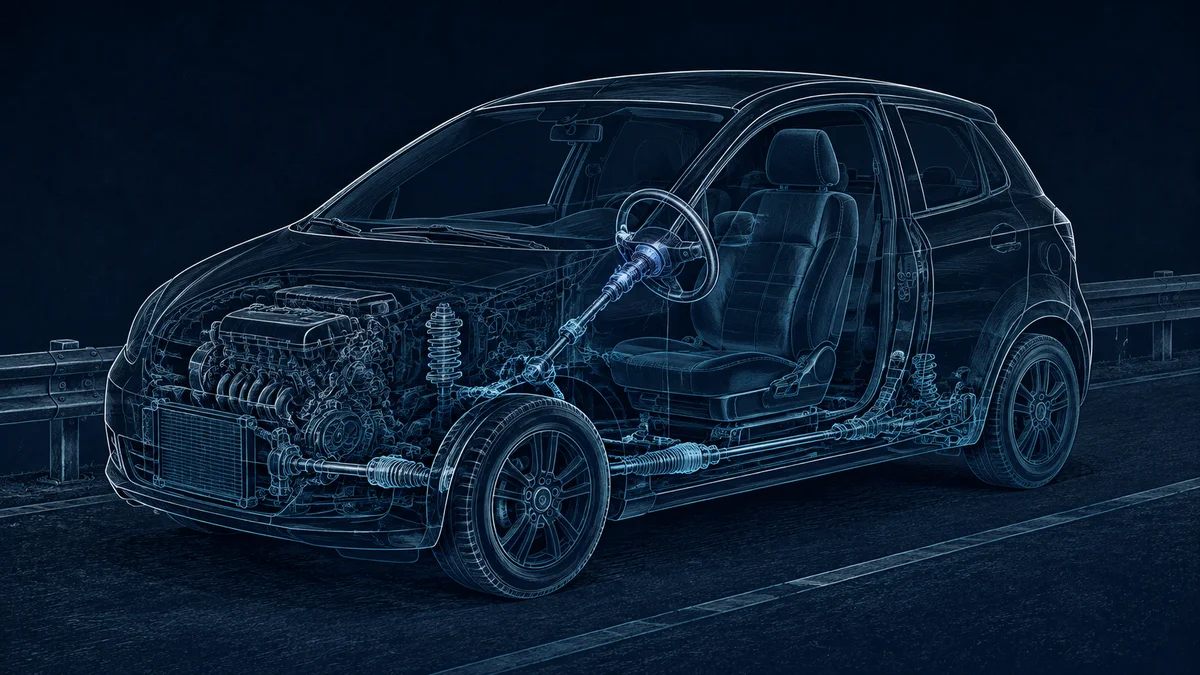
AI & Automation Sep 6, 2026 · 1 min read
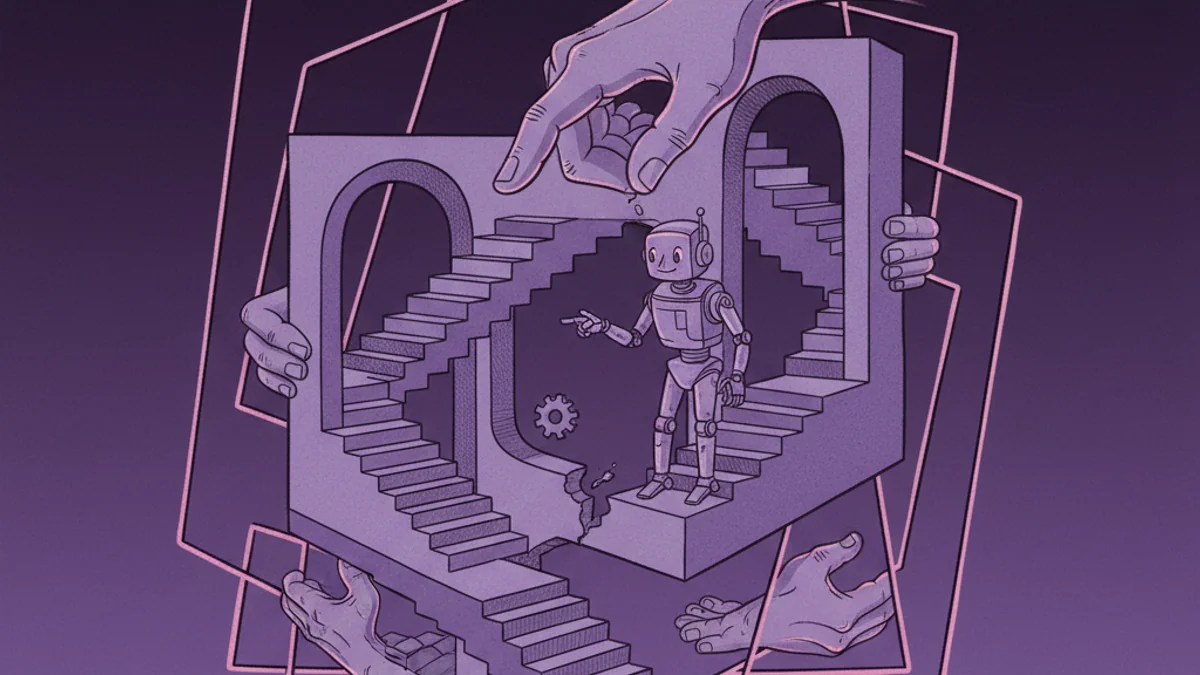
Who Is Still Driving?
Using AI takes practice, but a product that needs an expert to catch its mistakes should say so before someone relies on it.
Read post
Using AI takes practice, but a product that needs an expert to catch its mistakes should say so before someone relies on it.
I asked an AI agent to audit my app for the person it was built for. It sent five sub-agents to check documents and none of them looked at the screen.
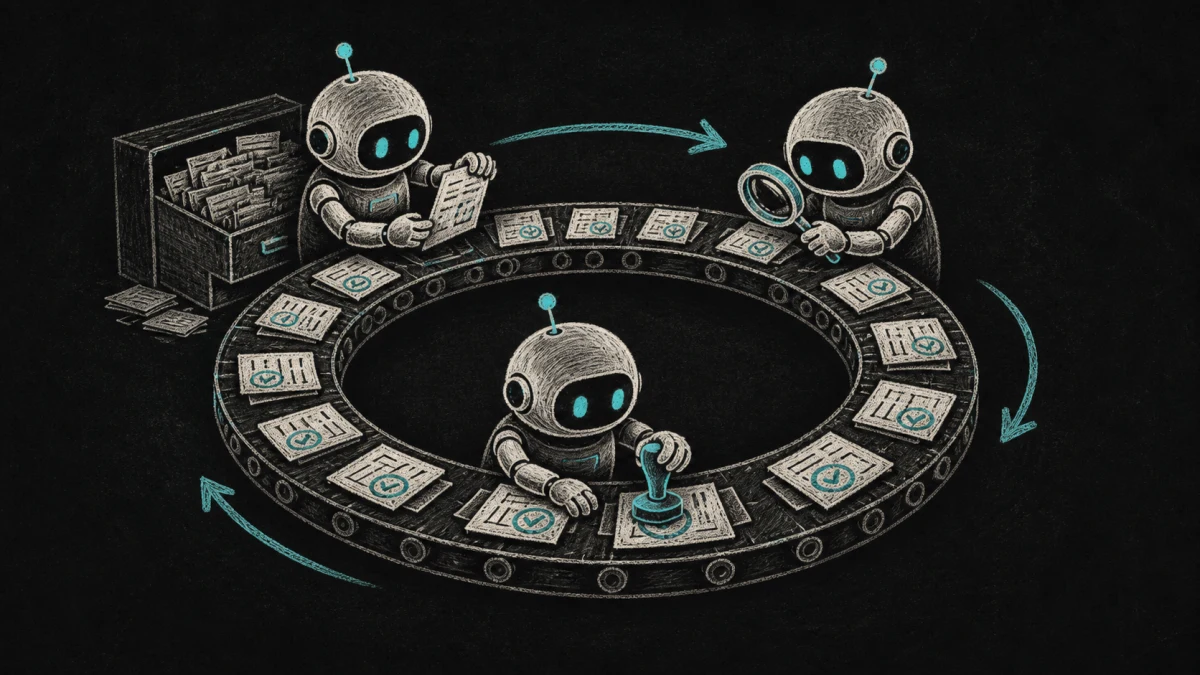
A small inspection of one runaway session became repeated parallel work before it had earned that expansion. The 119-of-118 report was the alarm.
My machine ran out of resources, so I handed an agent four screenshots and typed one word: fix. It did a good job. A day later, twenty-two connector processes were still running, every one of them marked disabled in config. Nothing had failed — and that turns out to be the interesting part.
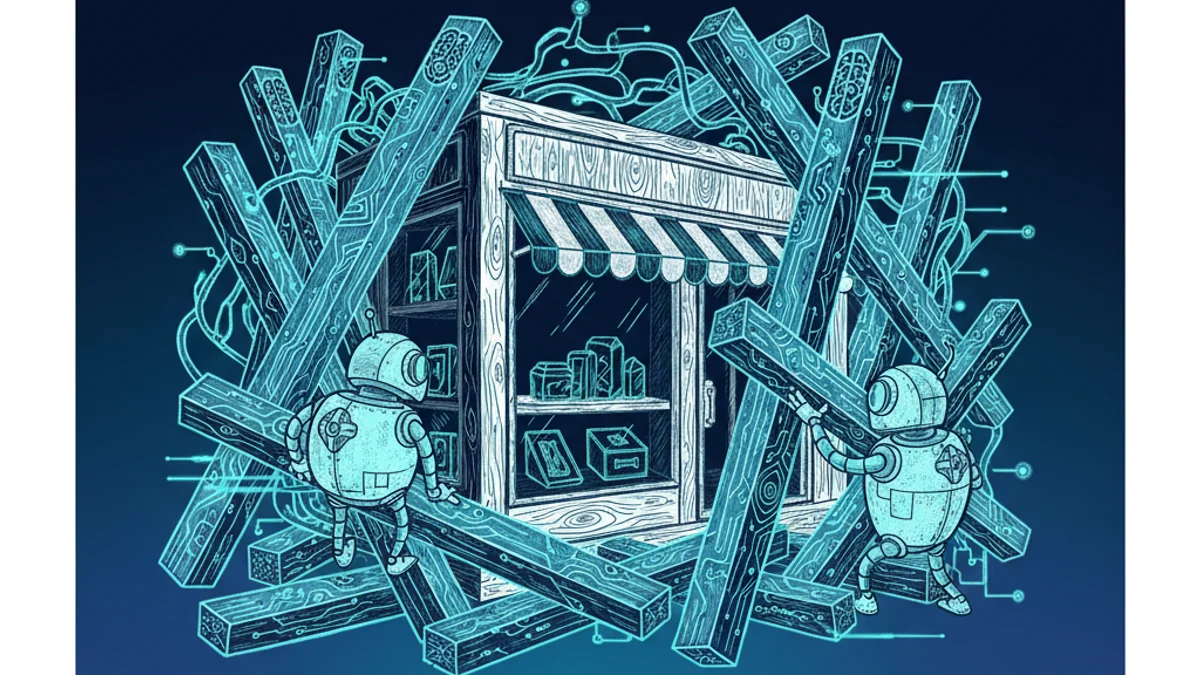
A safe AI storefront cannot give the model a blank canvas. It also cannot remove the model and still claim that inference changes the shopping experience.
AI standards already exist. What teams still need is a current, workflow-level record of what one configured agent may do, how it was tested, where it must stop, and when its evidence expires.
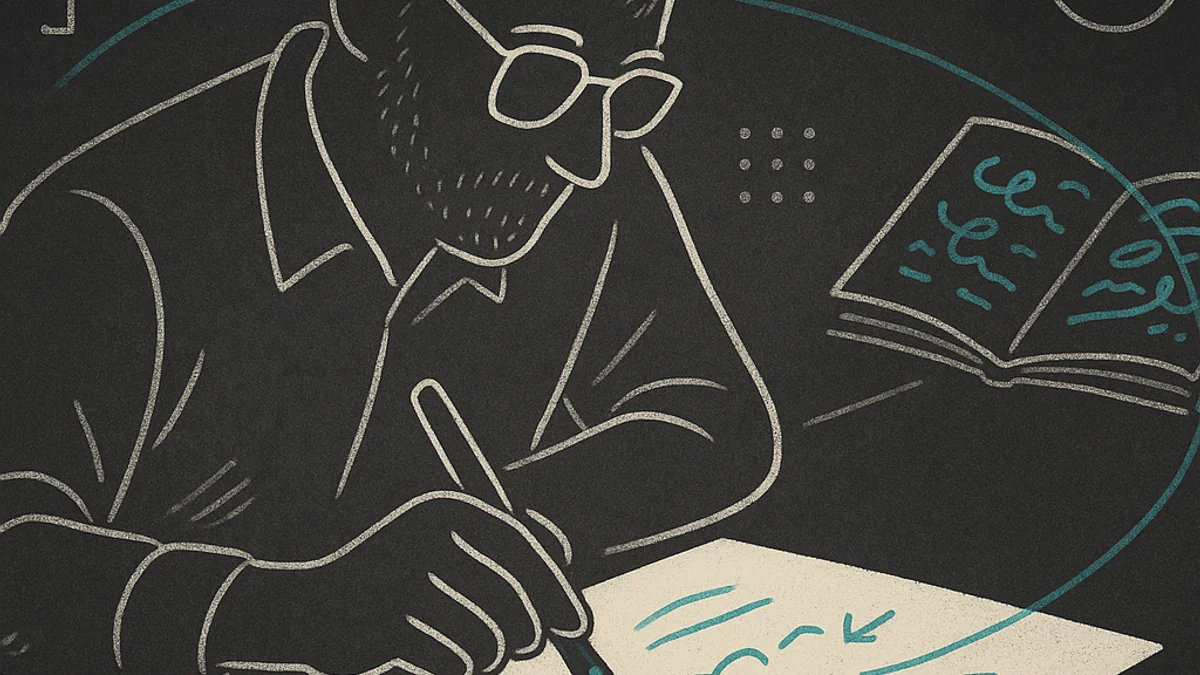
I asked an AI to audit the style guides that teach AI to write like me. The tone card was describing machine messages, the guide's examples had become tells, and a checker was grading drafts for phrases the corpus abandoned months ago.

A strategy document I ship can carry an invented figure through every automated check I built, as long as the sentences around it are well-formed and the links resolve. I went looking for that hole on purpose. Then I decided not to close it.
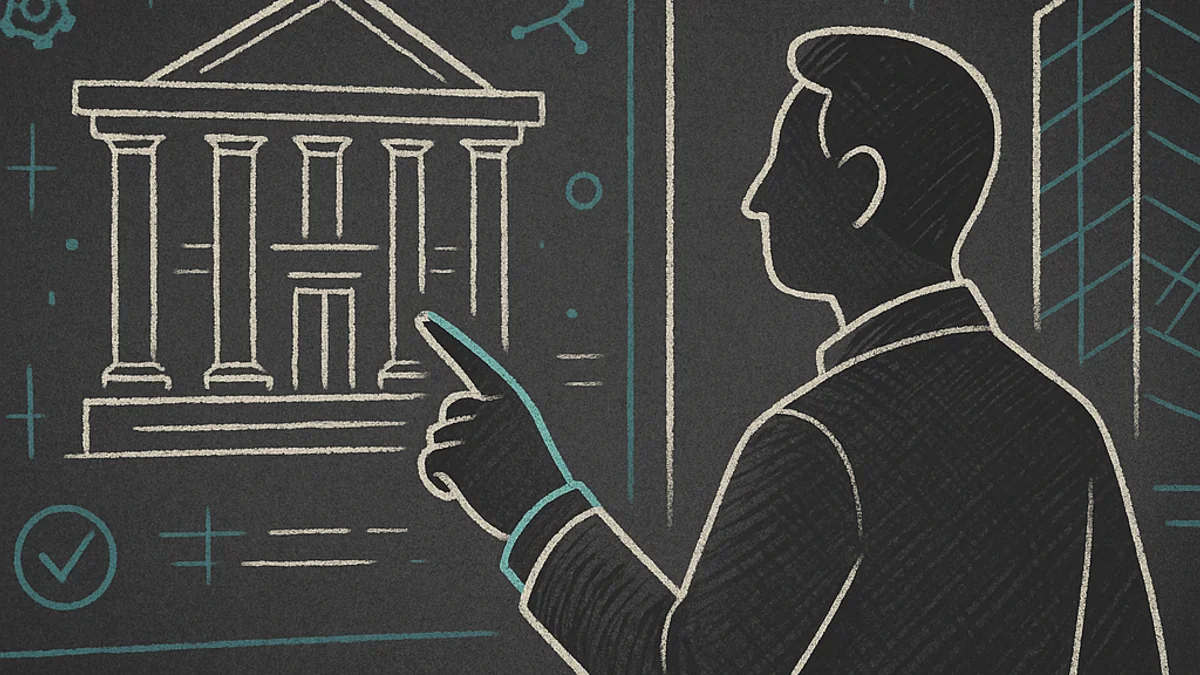
I asked an agent a simple product question and watched it spend three thousand words rediscovering things it had no way to trust. The fix wasn't a better map. It was noticing which artifacts in a codebase can lie to you — and which one can't.

The 95% AI failure rate isn't a stop sign. It's a job posting for people who know how to build the roads.
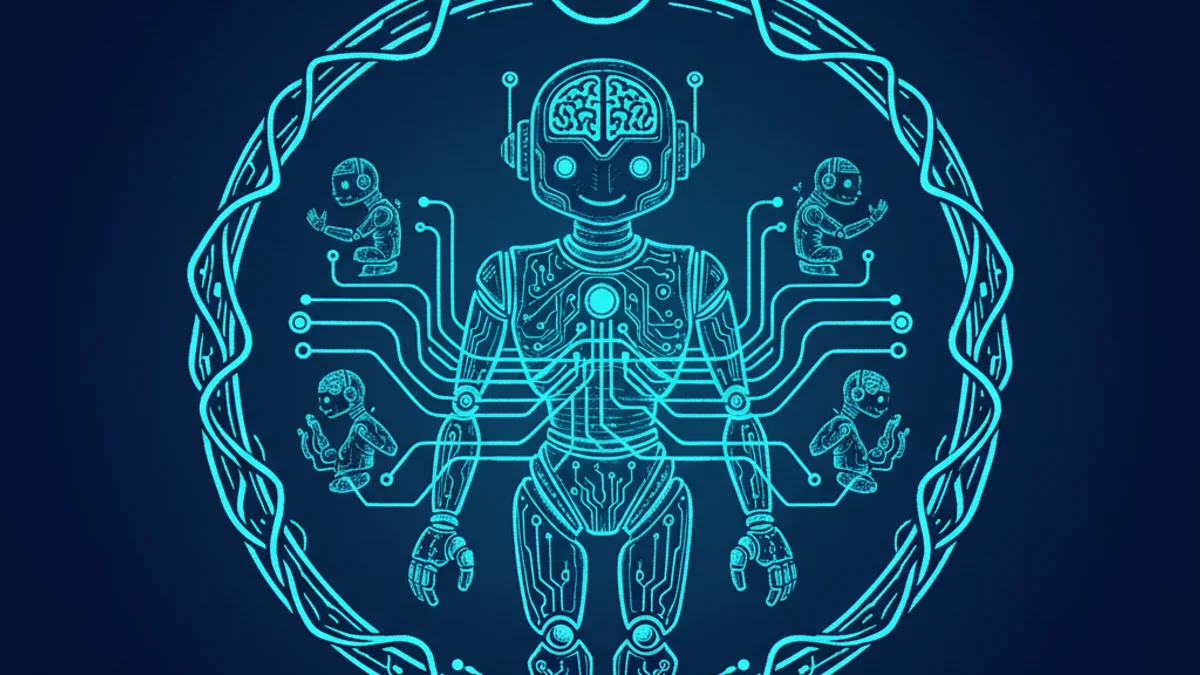
Instructions arent enough. To make agentic workflows reliable, I had to build a meta-agent to police my coding agents. Welcome to the unglamorous world of AI Ops.

Agentic software is powerful, but it needs guardrails. Im finding the most important work isn't coding, but architecting the systems that constrain the code.
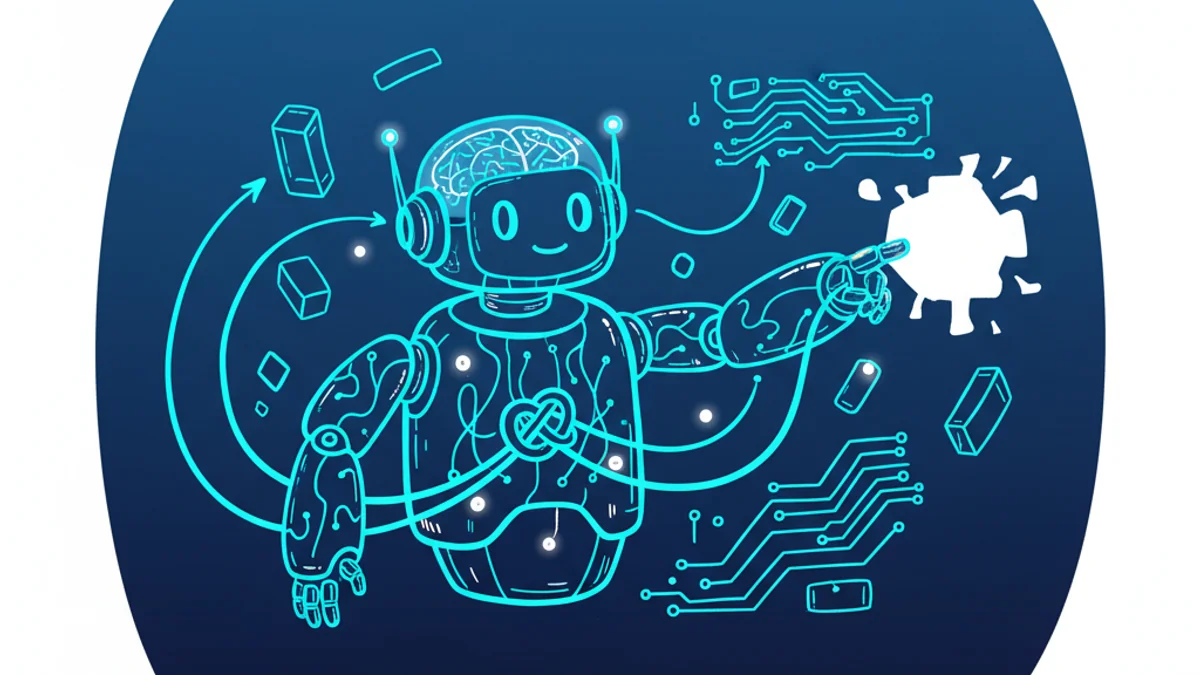
We claimed features that didn't exist. Twice. So we blocked our own framework until we could prove we weren't full of it.
The framework didnt catch the violation. A human did. Me.