AI & Automation Sep 15, 2026 · 1 min read
The Connector You Can't OAuth
I asked the new Siri what it could infer from a week of texts. The answer was not a better chatbot. It was inference over a graph no OAuth connector gets.
Read post
I asked the new Siri what it could infer from a week of texts. The answer was not a better chatbot. It was inference over a graph no OAuth connector gets.
A safe AI storefront cannot give the model a blank canvas. It also cannot remove the model and still claim that inference changes the shopping experience.
Firecrawl posted a job only a machine could apply for. Months later, on a different stage, an engineer said the mirror-image thing: don't build me an agent, build my agent a way in. Same shift, two ends of the same transaction — and an economics paper that almost, but doesn't quite, tie them together.
Etsy and Wayfair are already processing agentic checkout through Google's Universal Commerce Protocol. OpenAI and Stripe shipped a competing one. Cart and checkout are becoming infrastructure services — and the standards war is already here.

I published a prediction deck about the agentic web last September. Six months later, some of it looks prescient, some of it looks naive, and the most important developments weren't in the deck at all.

Everyone spent 2024-2025 experimenting with AI features. Q1 2026 is when the survivors figure out what actually works—and kill what doesn't.
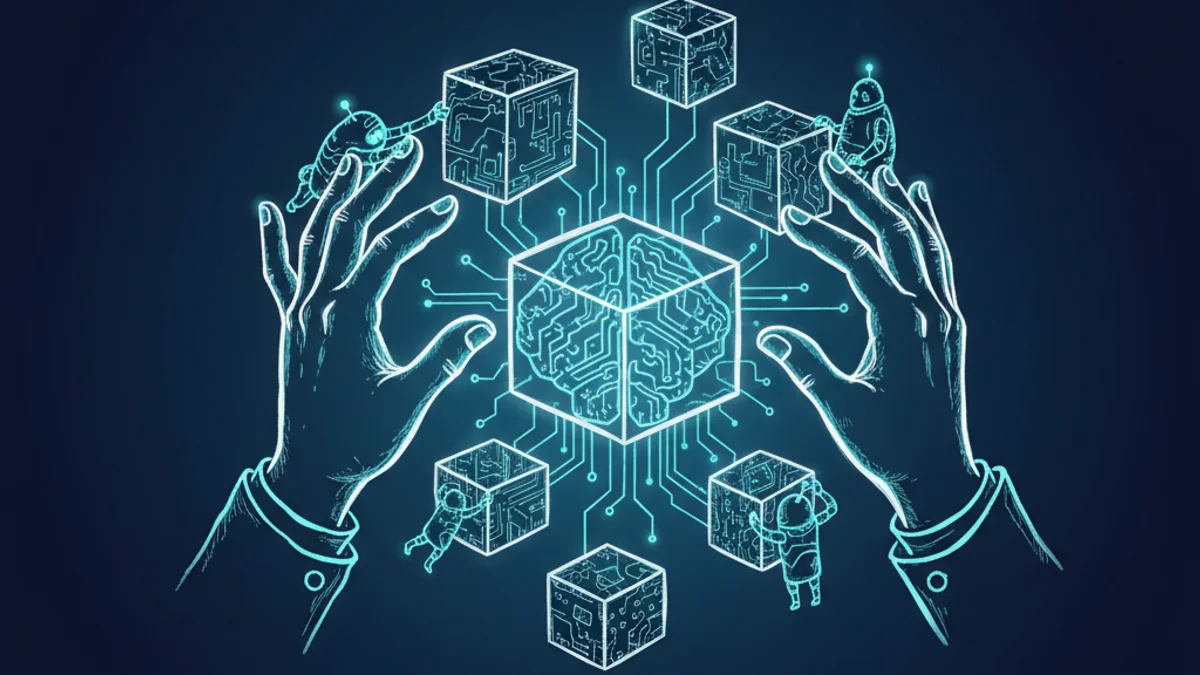
Every e-commerce platform is racing to add AI features. But what if the real opportunity isn't AI features—it's AI architecture? What if the store itself could generate in real-time?